Two Solutions. One Important Difference.
Both systems store well water and provide dependable household pressure. The difference is how your well is managed.
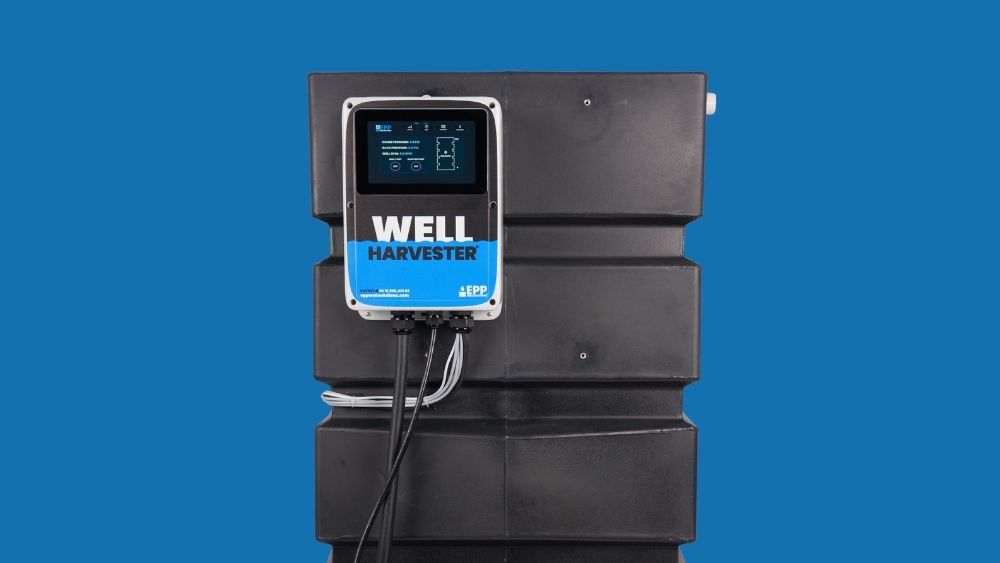
Well Harvester V4
Automatic well management with a built-in touchscreen, mobile app access, and automatic system updates.
- Automatically monitors changing well conditions
- Adjusts operation as production changes
- Automatic over-pump protection
- Built-in touchscreen for system status and controls
- Local mobile app access on the same network—no monthly fee
- Optional Cloud Access for remote monitoring, controls, and alerts
- Automatic system updates
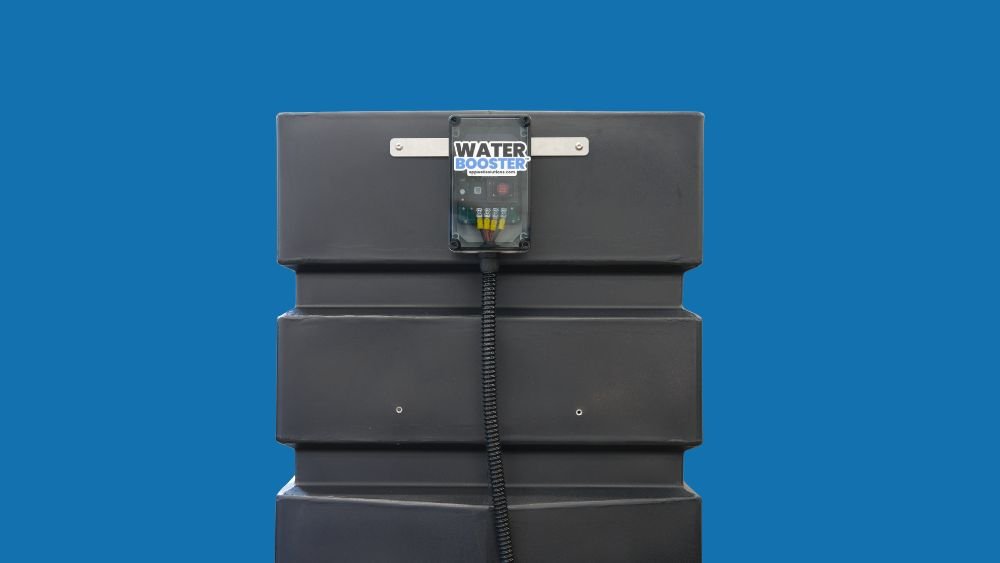
Well Reserve
A simpler, lower-cost solution when your well has stable, accurately measured production and you are comfortable setting the collection rate.
- Owner-set collection rate
- Designed for stable, measured production
- Optional dry-run protection
- Lower upfront cost
Automatic or owner-set?
That’s the main difference.
Both store water and supply your home. The Well Harvester V4 adds automatic well management and connected controls.
| Feature | AutomaticWell Harvester V4 | Owner-SetWell Reserve |
|---|---|---|
| Best Fit | Variable or uncertain wells | Stable wells · 2 GPM+ |
| Well Collection | Automatic | Owner-set |
| Adjusts as the Well Changes | Automatically | Owner adjusts |
| Pump Protection | Built in | Optional add-on |
| Touchscreen | Included | Not included |
| Local Mobile App | Included · No monthly fee | Not included |
| Remote Access + Alerts | Optional · $9.99/month | Not included |
| System Updates | Automatic | Not applicable |
Local app: same-network access. Remote access: optional Cloud Access subscription.
Performance varies with plumbing, elevation, and installation. Neither system increases well production.
Let’s find the right fit.
Tell us about your well and household. We’ll recommend the right system.
Which sounds
more like your well?
Start with your well’s production—and how much you want to manage yourself.
Well Harvester V4
For changing wells and owners who want automatic management.
- Your well output changes or is uncertain.
- Your well has run low or been pumped dry.
- You want the system to adjust automatically.
V4 also includes touchscreen controls and local mobile app access.
Explore Well Harvester V4Well Reserve
For stable, measured wells and a lower upfront cost.
- Your well produces a stable, measured 2 GPM or more.
- You’re comfortable setting and reviewing collection.
- Simplicity and lower upfront cost are priorities.
The owner or installer sets collection below sustainable well production.
Explore Well ReserveNot sure how much your well produces?
Tell us what you’re experiencing. We’ll help identify the next step and the right system.
Enough water.
Weak pressure?
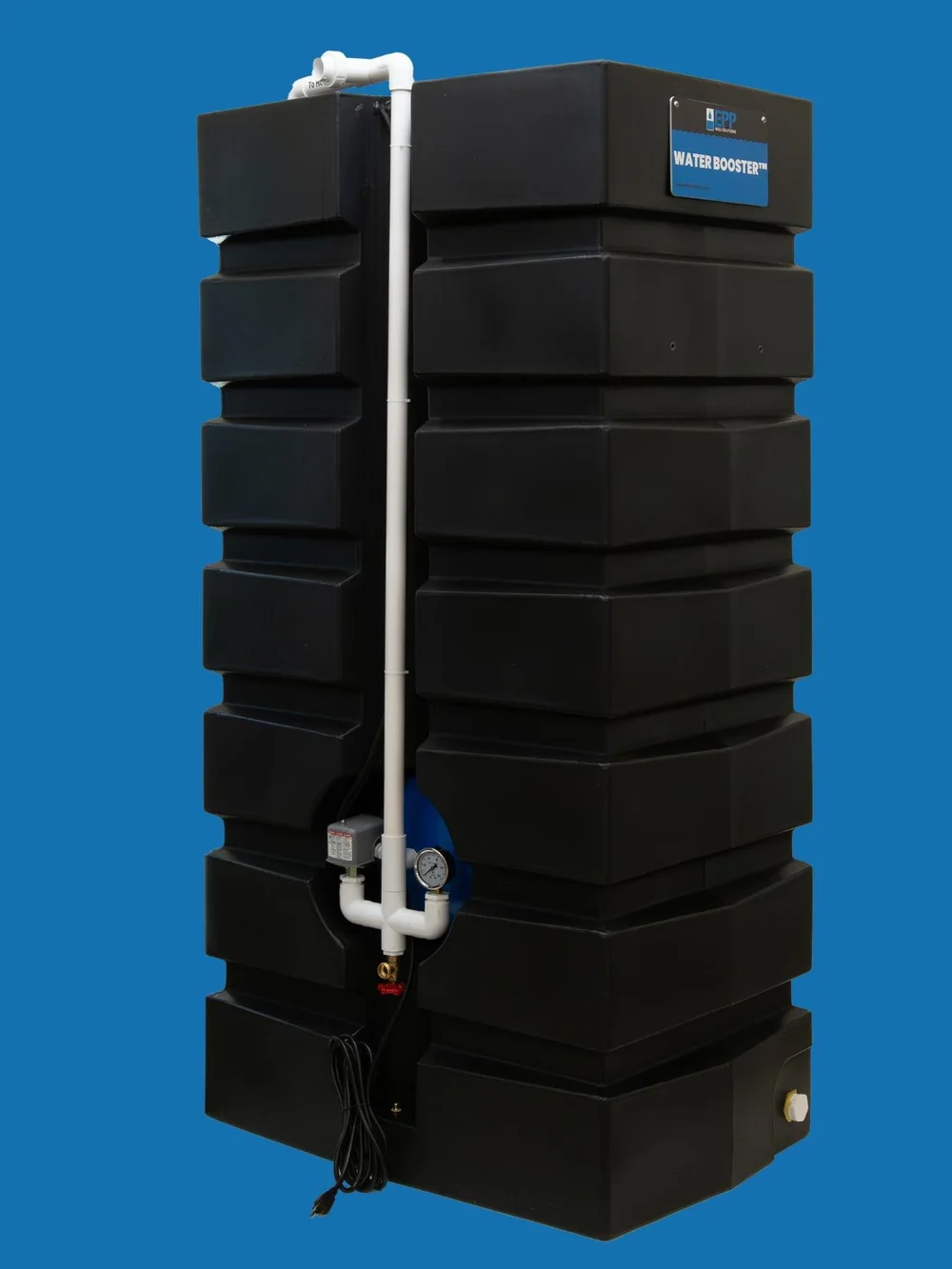
Consider the Water Booster when your source reliably replenishes, but household pressure or flow falls short.
- You have a reliable total water supply.
- Pressure drops when several fixtures run.
- You need stronger delivery—not active well management.
Boosts household pressure and flow.
Does not manage low-yield well production.
Actual performance varies with plumbing, elevation, and installation.
Start with the Well Harvester V4 and Well Reserve options.
A few questions.
Clear answers.
The essentials about choosing your system, V4 controls, and what to expect.
Tell us what you’re experiencing. We’ll help confirm the right fit.
Get Our Recommendation Call (360) 859-0012What is the main difference?
The Well Harvester V4 automatically manages well collection and adjusts as conditions change. The Well Reserve uses an owner-set collection rate that should be reviewed when production changes.
When is the Well Reserve a good fit?
For stable, accurately measured wells producing around 2 GPM or more, when you prefer lower upfront cost and are comfortable setting and reviewing collection below sustainable production.
What if my well changes with the seasons?
That generally favors the Well Harvester V4, which adapts its operation automatically. With the Well Reserve, the owner or installer should review and adjust the collection setting.
Which system protects the well pump?
The Well Harvester includes automatic over-pump protection. Dry-run protection is an optional add-on for the Well Reserve; it does not automatically adjust the Reserve’s collection rate.
What does V4 add?
A built-in touchscreen, local mobile app access, optional Cloud Access, and automatic system updates. View tank level, house pressure, well flow, and system status through the Harvester’s controls.
Does the mobile app require a subscription?
Local app access is included with no monthly fee while connected to the same network as your Harvester. Cloud Access is optional at $9.99/month for monitoring, controls, and notifications away from home.
When should I choose the Water Booster?
When your water source reliably replenishes but household pressure or flow is weak. The Water Booster improves household delivery; it does not manage low-yield well production. Explore the Water Booster →
Will these systems make my well produce more water?
No. They store the water your well can produce and deliver it when household demand rises. Suitability depends on sustainable production, household use, and storage capacity.
Let’s find
the right system.
Tell us about your water supply and household needs. We’ll help confirm the system and storage capacity that fit your property.
No obligation. Personal guidance from our team.