
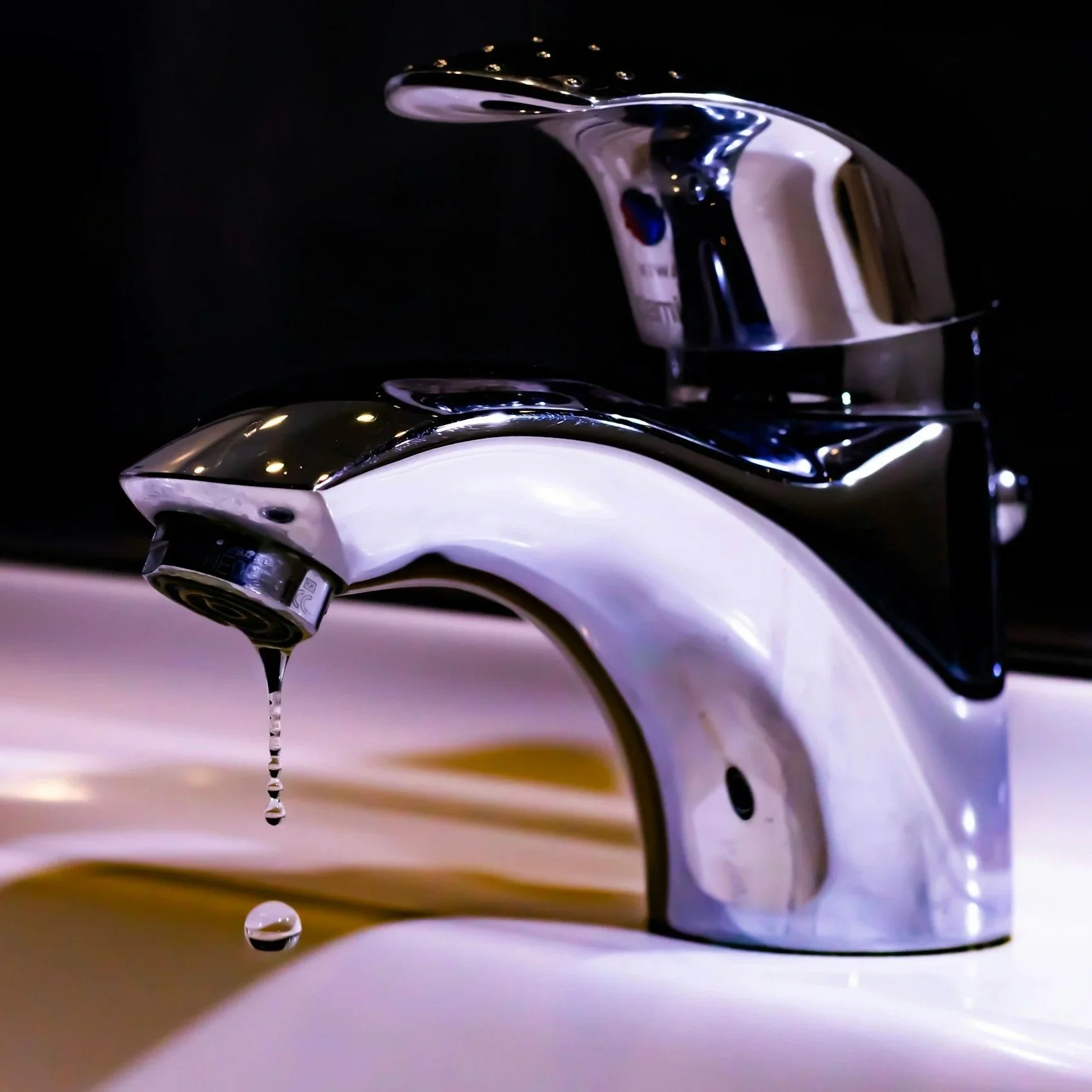
If you've ever turned on a faucet in your home and been met with a surprising burst of air, sputtering water, or that unmistakable spitting sound, you're not alone. This common issue—often described as faucets "spitting" or sputtering air—is especially prevalent in homes relying on private wells. While it can feel alarming, the good news is that it's usually fixable, and understanding the root causes empowers you to address it before it leads to bigger problems like inconsistent pressure or premature pump wear.
In most cases, sputtering faucets signal that air has entered your water lines and is mixing with the flow as it exits the tap. Unlike municipal water systems, which maintain consistent pressure and rarely introduce air, private well setups involve pumps, pressure tanks, and underground piping that can allow air intrusion under certain conditions. Let's break down the primary reasons this happens and what you can do about it.
The Most Common Culprit: Air Trapped in the Lines
Air trapped in the plumbing is the number one reason faucets spit and sputter, particularly right after the water has been turned off and back on. This scenario plays out frequently after:
Plumbing repairs or maintenance
Power outages that stop the well pump
Periods when the home has been vacant
Well pump replacements or servicing
When the system depressurizes and then restarts, air pockets form in the pipes. As water pushes through, it forces these pockets out, creating bursts of air followed by uneven flow. The sputtering often starts strong and tapers off as the air clears, sometimes within minutes of running the water.
For well owners, this is amplified because the pump draws water from deep underground. If the system isn't perfectly sealed or primed properly, small amounts of air can get pulled in during startup cycles.
Well Pump Issues Allowing Air Entry
A faulty or aging well pump is another frequent offender. Submersible pumps, common in deeper wells, can develop problems like worn seals, cracked foot valves, or loose fittings that let air sneak into the line alongside water. When the pump struggles to maintain a solid column of water—especially if the well level drops temporarily—the pump may cavitate (create vacuum bubbles) or draw air from the well itself.
Symptoms often include sputtering that worsens over time, accompanied by reduced overall pressure or the pump running more frequently. In shallow wells, low water levels can cause the pump to suck air directly from above the water surface, leading to consistent spitting at faucets.
Pressure tanks play a supporting role here too. These tanks contain an air bladder or diaphragm that helps regulate pressure. If the tank loses its air charge (due to a failed bladder or improper pre-charge), it can cause "waterlogging," where the tank fills too much with water. This leads to short-cycling—the pump turns on and off rapidly—and introduces air surges into the lines, resulting in sputtering faucets and banging pipes (water hammer).
Leaks or Cracks in the System
Even tiny breaches in the piping, well casing, or fittings can introduce air. A small crack above the water line in the well casing might allow air to enter when the system depressurizes. Similarly, leaks in buried supply lines between the well and home can pull in air under negative pressure conditions.
These issues are trickier to spot because they often don't cause visible water leaks outdoors. Instead, you notice sputtering, lower pressure, or higher electric bills from the pump working harder. Persistent air after bleeding the lines is a red flag that a professional inspection is needed to check for structural weaknesses.
Other Less Common Causes
Occasionally, dissolved gases in the well water—such as methane or hydrogen sulfide—can come out of solution and create bubbles or sputtering. This is more noticeable in certain geological areas and often pairs with a rotten-egg odor or cloudy water.
Mineral buildup or clogged aerators on faucets can mimic sputtering by restricting flow and creating turbulence, though true air bursts are distinct. Sediment from the well can also contribute if it clogs filters or valves, indirectly allowing pressure fluctuations that trap air.
How to Troubleshoot and Fix Sputtering Faucets
Start simple: Run all your faucets (hot and cold) starting from the highest in the house (like an upstairs bathroom) and working down to the lowest (outdoor spigot or basement). Let them flow for 5–10 minutes to flush out trapped air. This resolves most temporary cases after repairs or outages.
If the problem returns quickly or persists:
Check your pressure tank's air charge using a tire gauge at the Schrader valve (system off, tank drained). It should match your pump's cut-in pressure (often 30–38 psi for 40/60 systems).
Inspect visible fittings and the wellhead for signs of leaks or damage.
Listen for unusual pump noises or frequent cycling, which point to bladder failure or low well levels.
Test water pressure at multiple faucets to rule out restrictions.
For ongoing issues, especially in low-yield or variable wells, consider whether your system is over-pumping during high demand. Low-producing wells can drop levels enough to introduce air, leading to sputtering and potential long-term damage to the aquifer or pump.
When to Call a Professional
If bleeding the lines doesn't help, or if sputtering comes with other symptoms—like dramatically reduced flow, pump short-cycling, unusual noises, or discolored water—contact a certified well contractor. They can perform a flow test, check pump depth and priming, inspect the pressure switch, and evaluate the overall system health. Early intervention prevents costly failures, such as burned-out pumps or the need for well rehabilitation.

In homes with chronically low well yield, innovative solutions can eliminate air-introducing drawdowns entirely. Systems like the Well Harvester from Epp Well Solutions automate gentle, controlled pumping into storage, preventing over-draw and ensuring steady, air-free delivery at the tap—no more sputtering from aggressive cycling or low-level pulls.
Preventing Future Sputtering
Regular maintenance is key for well owners. Annual inspections catch pump wear or tank issues early. Keep the wellhead sealed and elevated to avoid surface contamination or air entry. Monitor usage patterns—if sputtering worsens during peak times (showers, laundry), it may signal yield limitations worth addressing proactively.
Faucets spitting air are more than an annoyance; they're often your system's way of signaling that something needs attention. By identifying whether it's simple trapped air, a pump concern, or a deeper well issue, you can restore smooth, reliable flow and protect your home's water supply for the long haul.