Negotiating House Prices Based on Well Inspection Results
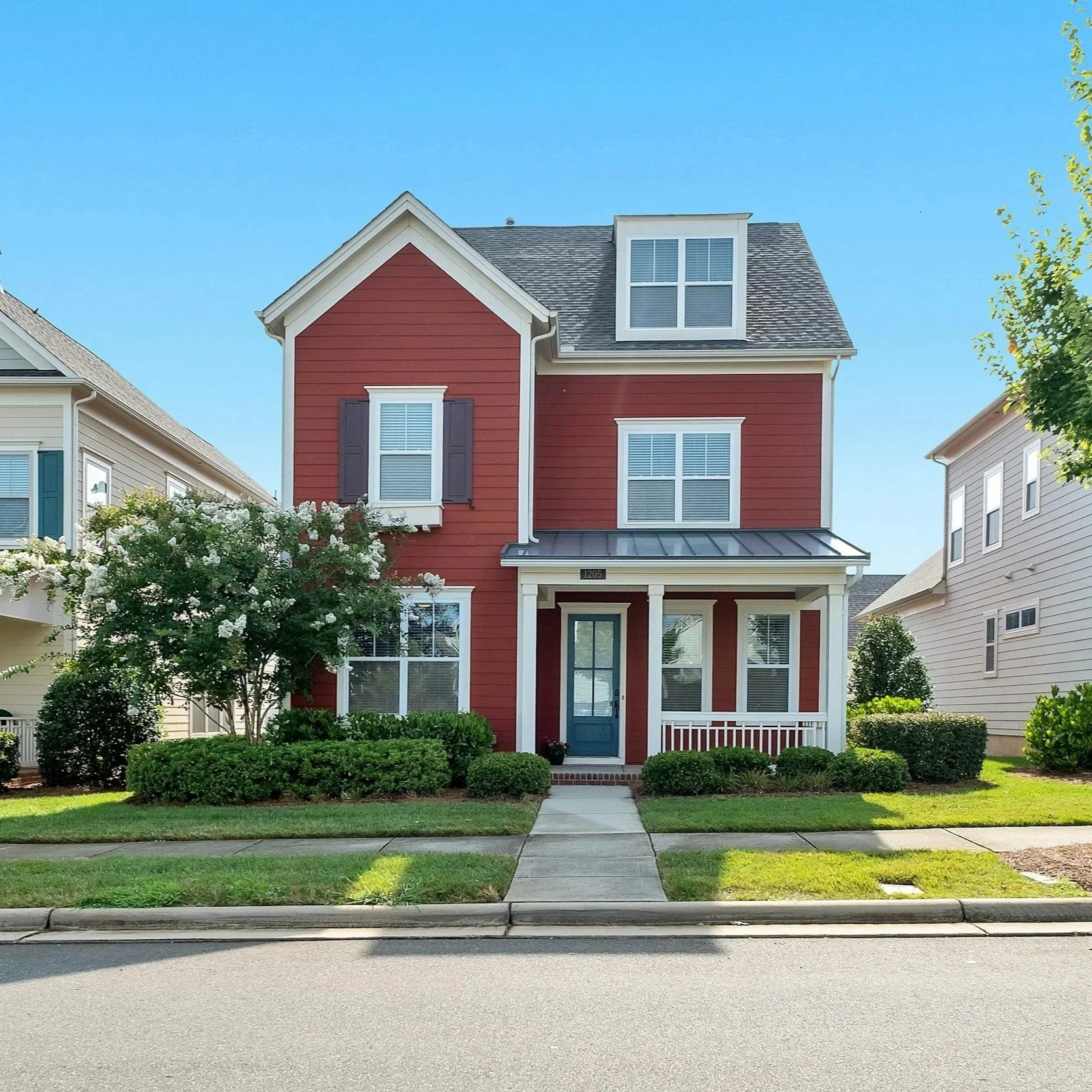
When purchasing a home reliant on a private well, the condition of that well can significantly influence the property’s true value. Municipal water users rarely think twice about their supply, but for rural and semi-rural homeowners, a reliable well is essential. A professional well inspection during the buying process often reveals issues that can cost thousands to fix—issues that provide strong leverage for negotiating a lower purchase price. This article explains how well inspection results can be used strategically in negotiations, what common problems arise, how to quantify their financial impact, and why innovative solutions like the Well Harvester can turn potential deal-breakers into manageable upgrades.
Why Well Inspections Matter in Real Estate Transactions
A well inspection goes far beyond a basic home inspection. Certified well professionals evaluate the entire water system: the physical structure of the well, the pump and pressure tank, water quality, and sustainable yield. These assessments help buyers understand whether the well can reliably serve the household’s needs without unexpected breakdowns or health risks.
Inspections typically include:
Visual checks of the wellhead, casing, and cap for damage or contamination entry points
Water quality testing for bacteria, nitrates, heavy metals, pH, hardness, and other parameters
Yield and drawdown testing to measure gallons per minute and recovery rate
Evaluation of electrical components, pump condition, and pressure system performance
Results are documented in a detailed report with lab analyses and professional recommendations. This documentation becomes powerful evidence during negotiations, shifting discussions from subjective opinions to objective facts.
Common Problems Uncovered During Well Inspections
Well inspections frequently reveal issues that surprise both buyers and sellers. Low water yield tops the list, especially in areas experiencing aquifer depletion or drought. Wells producing less than 1–2 gallons per minute struggle to keep up with modern household demands—showers, laundry, dishwashers, and irrigation can quickly deplete them.
Water quality concerns appear regularly too. Bacterial contamination from nearby septic systems, agricultural runoff, or surface water intrusion is common. Elevated nitrates, iron, manganese, or hardness levels can affect taste, stain fixtures, damage appliances, and require ongoing treatment. Structural problems, such as cracked or corroded casings, allow pollutants to enter the well more easily.
Equipment failures represent another major category. Submersible pumps typically last 10–15 years; many older wells have pumps nearing the end of their service life. Pressure tanks can become waterlogged, reducing efficiency and causing short-cycling. Electrical wiring and controls may show corrosion or code violations, creating safety hazards.
These findings are not minor inconveniences. They can render a home difficult to live in comfortably or even unsafe until addressed.
Translating Inspection Findings into Dollar Amounts
The real power in negotiations comes from converting technical problems into concrete costs. Buyers should obtain repair estimates from licensed well contractors or pump installers. Common cost ranges include:
Pump replacement: $1,500–$5,000 (higher for deeper wells)
Pressure tank replacement: $800–$2,000
Water treatment systems (softeners, iron filters, UV disinfection): $1,000–$4,000
Well rehabilitation (acidizing, surging, or hydrofracking): $2,000–$8,000
New well drilling cost: $10,000–$30,000+ depending on depth and geology
Even seemingly small issues add up quickly when combined with labor, permitting, and potential emergency service fees. Buyers should also consider long-term expenses: higher electric bills from inefficient pumps, frequent filter replacements, bottled water costs during repairs, and reduced resale value if the well remains problematic.
Presenting these documented estimates to the seller creates a clear, defensible argument for price adjustments.
Effective Negotiation Strategies Using Well Inspection Results
Most purchase agreements include an inspection contingency that allows buyers to request repairs, credits, or price reductions based on findings. When well issues surface, follow these steps:
Review the report carefully and prioritize problems (health/safety issues first, then comfort and efficiency concerns).
Obtain written repair quotes from reputable contractors.
Submit a formal request within the contingency period, attaching the inspection report and estimates.
Propose specific remedies: seller-paid repairs before closing, cash credits at closing, or a reduced purchase price.
Be prepared to negotiate—sellers may counter with partial contributions or extended warranties.
In competitive markets, well problems can actually give buyers an advantage. Many purchasers skip detailed well testing, so highlighting legitimate concerns can differentiate your offer and justify concessions.
A Smart Alternative for Low-Yield Wells

For properties where low yield is the primary concern, the Well Harvester from Epp Well Solutions offers a modern, non-invasive solution that can strengthen negotiation positions. This patented system is engineered specifically for low-producing wells (even under 1 GPM), capturing and storing water efficiently to deliver reliable household supply.
The Well Harvester features a 215-gallon atmospheric storage tank and an automated touchscreen controller that monitors levels and usage patterns. It pumps water slowly and intermittently to prevent over-drawdown, protecting the aquifer and extending pump life. Output reaches up to 20 GPM when needed, meeting demands far beyond what the well could provide directly. Installation is typically completed in a few hours, and the system includes a 3-year warranty.
When low yield threatens to derail a deal or force a steep price cut, buyers can propose the Well Harvester as an acceptable upgrade. Sellers often prefer contributing toward a $4,500–$6,500 system rather than facing demands for a new well, which can easily exceed well drilling costs by a wide margin. This approach resolves the core issue sustainably, adds long-term value to the property, and frequently results in smoother, more mutually beneficial negotiations.
Regional and Market Factors That Influence Well-Related Negotiations
Negotiation leverage varies by location. In arid regions—such as parts of California, Arizona, Texas, or the High Plains—water scarcity makes yield problems especially serious, often leading to larger concessions. In contrast, areas with abundant groundwater may see more focus on quality issues like hardness or bacterial contamination.
Local regulations also matter. Some counties require wells to meet minimum yield or quality standards before title transfer, compelling sellers to address deficiencies. In markets with high demand for rural properties, sellers may resist concessions, but well-documented problems still provide solid grounds for discussion.
Protecting Your Investment Through Informed Negotiation
A private well is more than plumbing—it’s the lifeblood of the home. Treating well inspection results as negotiation tools allows buyers to protect their investment, avoid future headaches, and secure a property that truly meets their needs. Whether addressing low yield with systems like the Well Harvester, negotiating credits for treatment equipment, or adjusting price for major structural repairs, the key is preparation, documentation, and clear communication.
By approaching well-related issues with facts rather than emotion, buyers position themselves to close confidently, knowing their new home will deliver reliable, safe water for years to come.