
Sudden Drop in Water Pressure: Check Valve vs. Pump Failure
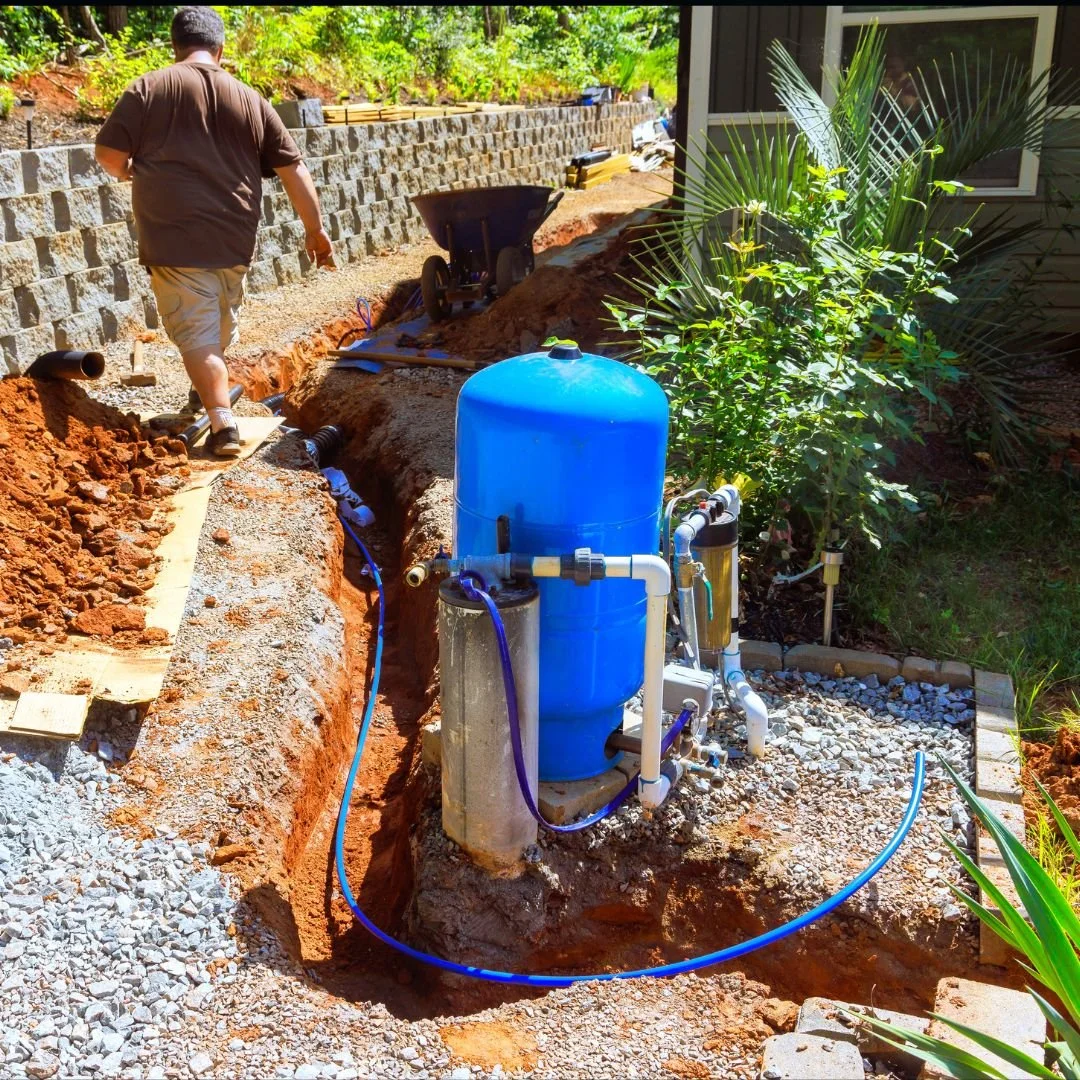
A sudden drop in water pressure can turn everyday tasks like showering, washing dishes, or running the sprinkler into frustrating ordeals. For homeowners on private wells, this issue often points to problems within the well system itself rather than municipal supply fluctuations. Two of the most common culprits behind an abrupt pressure loss are a failed check valve and a failing well pump. Distinguishing between these helps you decide on the right fix—whether it's a relatively straightforward repair or a more involved (and expensive) replacement.
Understanding the roles of these components is key. The check valve, typically located at the pump discharge or in the drop pipe, acts as a one-way gate: it allows water to flow up from the well but prevents it from flowing back down when the pump stops. This maintains prime in the system and keeps pressure stable in the tank. The well pump, whether submersible or jet, is the workhorse that lifts water from the aquifer and pushes it into your home's plumbing. When either fails, pressure can plummet quickly, but the symptoms and diagnostic clues differ.
How a Failed Check Valve Causes Sudden Pressure Drops
A faulty check valve is one of the sneakier causes of sudden pressure loss because it often starts subtly before becoming dramatic. When the valve's internal components—such as the spring, disc, or seal—wear out, corrode, or get stuck, it fails to seal properly. Water then flows backward into the well after the pump shuts off, draining pressure from the tank and lines.
Key symptoms of check valve failure include:
Pressure drops gradually or suddenly when no water is running, especially noticeable after the pump has cycled off
The pump short-cycles: it turns on frequently to repressurize the tank, even with minimal usage
Low pressure across the entire home, often with the gauge reading lower than normal right after shutdown
In severe cases, the system may lose prime entirely, causing sputtering faucets or air bursts when you turn on a tap
Homeowners often notice this after a period of normal operation: pressure holds fine during use but bleeds off rapidly when the system rests. A telltale test is to monitor the pressure gauge after the pump shuts off—if it drops steadily without any faucets open, the check valve is likely leaking back. Electricity bills may rise slightly from extra pump runtime, but the issue is usually mechanical rather than electrical.
Replacing a check valve is often straightforward for submersible setups (pulling the drop pipe) or jet pumps (accessible near the wellhead). Costs typically range from a few hundred dollars including labor, making it a preferable diagnosis before assuming the pump itself is dead.
Signs Pointing to Well Pump Failure
In contrast, a failing pump tends to produce more pronounced and progressive symptoms, though sudden drops can occur if the motor burns out, impellers wear severely, or electrical issues arise. Pumps have a finite lifespan—typically 10-15 years for submersibles—and heavy use in low-yield wells accelerates wear.
Common indicators of pump trouble include:
Sudden and severe pressure drop during high demand, where flow weakens dramatically or stops
The pump runs continuously without building pressure, or it hums but doesn't deliver water (possible seized motor or broken shaft)
Unusual noises: grinding, rattling, or clicking from the well area
No water at all, or very low output even when the pump is running
Overheating or tripped breakers, signaling electrical failure
A sudden complete loss often stems from a burned-out motor, blown capacitor (in single-phase pumps), or debris clogging the intake. In low-yield scenarios, the pump may have been overworked, leading to cavitation (air bubbles damaging internals) and eventual failure. Unlike check valve issues, pump problems rarely allow partial recovery—once pressure tanks empty, the system struggles or fails entirely until repaired or replaced.
Pump replacement is significantly more involved and costly, often $1,500–$5,000+ depending on depth, type, and labor. That's why accurate diagnosis matters: misidentifying a check valve issue as pump failure wastes money on unnecessary work.
How to Differentiate and Troubleshoot at Home
Start with basic checks before calling a pro:
Observe the pressure tank gauge: If pressure holds steady when the pump is off but drops when faucets run normally, the pump may be weak. If it drops steadily with no usage, suspect the check valve.
Listen for pump cycling: Frequent on/off (short-cycling) often ties to check valve leakage or a waterlogged pressure tank.
Check for air or sputtering: Air in lines can accompany both, but persistent air after bleeding suggests low well levels or pump draw issues.
Test the pressure tank: Shut off the pump, drain the tank via a faucet, and check the air charge at the Schrader valve (should match cut-in pressure, e.g., 38 psi for a 40/60 system). Water sputtering from the valve means a failed bladder—common mimic of check valve problems.
Note recent events: Power surges, lightning, or heavy sediment could point to pump damage, while gradual wear favors the valve.
If these steps don't clarify, a well technician can perform a drawdown test, check amperage draw, and inspect components directly.
The Role of Low-Yield Wells in Pressure Problems
Many sudden pressure drops stem from underlying low well yield, where the aquifer can't replenish fast enough during peak use. Over-pumping drops the water level below the pump intake, introducing air, causing cavitation, and stressing both the pump and check valve. Repeated cycles accelerate failures in either component.

For homes dealing with chronically low-producing wells, addressing the root cause prevents recurring issues. Systems like the Well Harvester from Epp Well Solutions are designed precisely for this scenario. The patented Well Harvester automates slow, controlled pumping into a 215-gallon storage tank, preventing over-draw and maintaining consistent high pressure (up to 20 GPM output) without aggressive cycling. This protects the pump from burnout, reduces check valve strain from frequent starts/stops, and eliminates sudden drops by ensuring ample stored water is always available. With a user-friendly touchscreen interface and 3-year warranty, it's a sustainable upgrade that often resolves pressure instability where traditional setups fail.
When to Act Quickly
A sudden pressure drop isn't something to ignore—prolonged low pressure strains appliances, reduces efficiency, and can lead to pump burnout if the system runs dry. If troubleshooting points to the check valve, address it promptly to avoid unnecessary pump wear. If pump failure seems likely, professional diagnosis prevents total loss of water.
In either case, early intervention saves money and hassle. Regular annual well inspections catch these issues before they escalate into emergencies.
Sudden pressure drops are disruptive, but they're rarely mysterious once you understand the system. By comparing symptoms—steady bleed-off for check valves versus weak or absent flow for pumps—you can narrow it down and choose the most cost-effective solution. For low-yield wells prone to these problems, innovative storage and control systems offer long-term reliability, turning frustrating fluctuations into steady, dependable water pressure.