
What is "Water Hammer" in Well Systems and How to Stop It
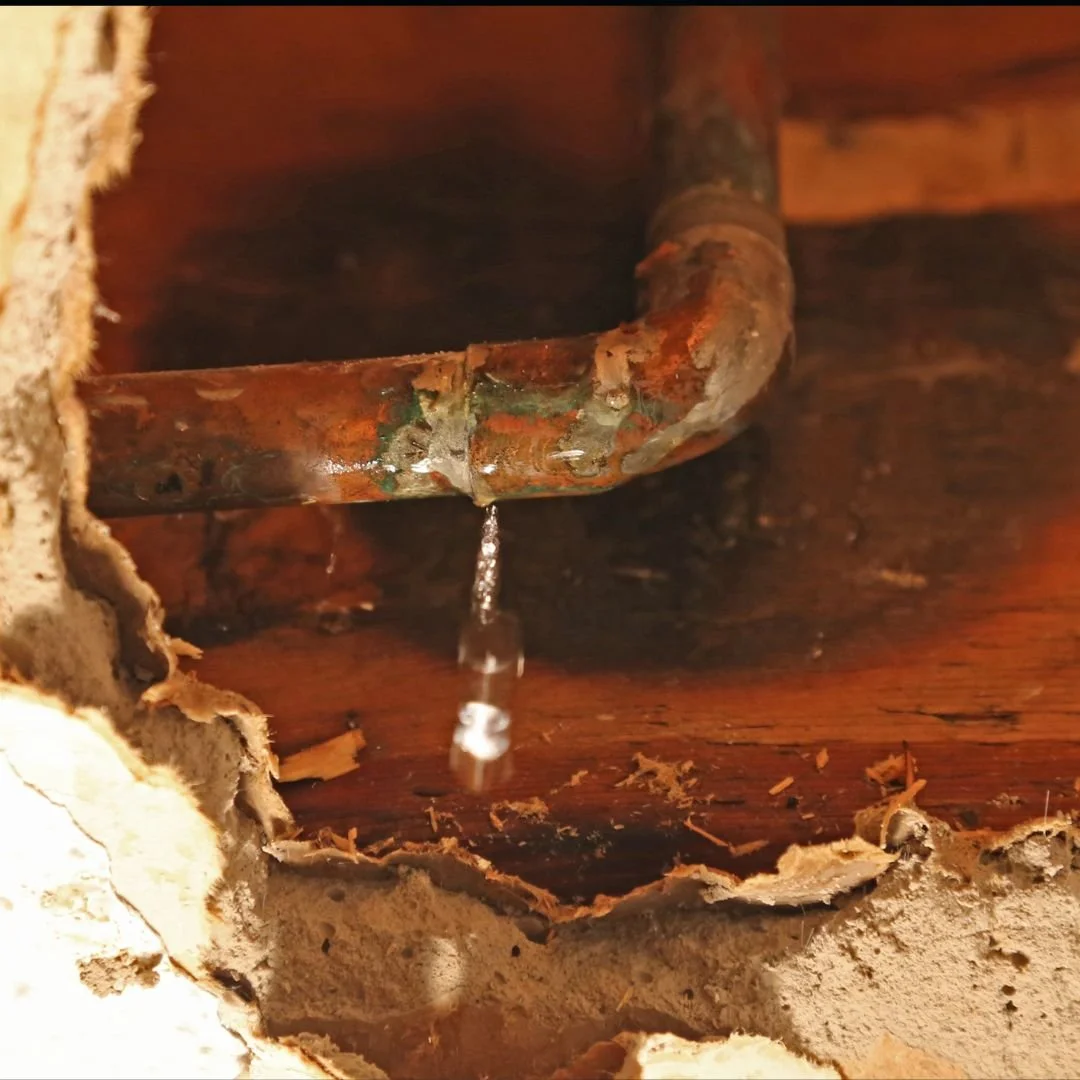
That loud banging, thudding, or rattling sound in your pipes when a faucet shuts off or your well pump cycles can be startling—and it's more than just noise. Known as water hammer (or hydraulic shock), this phenomenon creates sudden pressure surges that travel through your plumbing like shockwaves. In homes relying on private wells, water hammer is especially common due to the way pumps, pressure tanks, and check valves interact with water flow. Left unchecked, repeated surges can loosen fittings, crack pipes, damage appliances, and shorten the life of your pump and other components.
Understanding water hammer starts with recognizing how it happens. When water moving through pipes suddenly stops or changes direction rapidly, its momentum doesn't vanish—it converts into a high-pressure wave that bounces back and forth until dissipated. In well systems, this often occurs during pump startup or shutdown, or when household valves close abruptly. The result? Pipes bang against joists, fixtures vibrate, and pressure spikes can reach several times normal levels, sometimes exceeding 100-200 psi in an instant.
Common Causes of Water Hammer in Private Well Systems
Well systems are prone to water hammer because they involve intermittent pumping, long vertical drop pipes, and pressure regulation that differs from constant municipal supply. Key triggers include:
Faulty or improperly placed check valves (non-return valves): If the check valve in the drop pipe leaks or is installed too high above the water level (often more than 30 feet), a vacuum forms when the pump stops. On restart, water rushes in at high velocity, slamming into the closed valve and stationary column above—creating a classic surge.
Rapid pump cycling or short-cycling: A waterlogged pressure tank (failed bladder) or pressure switch issues cause the pump to turn on and off frequently. Each start/stop accelerates/decelerates flow abruptly.
Sudden valve closures in the home: Quick-closing faucets, washing machine solenoids, or irrigation valves stop flow instantly, sending shockwaves back toward the well.
Loose or unsupported piping: Even minor surges make unsecured pipes strike framing, amplifying the banging noise.
High flow velocities in long runs: Deeper wells or extended supply lines increase momentum, making surges more severe if changes happen too quickly.
In low-yield wells, over-pumping exacerbates everything: dropping water levels lead to cavitation (air bubbles collapsing), air ingestion, and erratic pump behavior that heightens hammer risk.
The Real-World Effects and Why It Matters
Beyond the annoying racket, water hammer poses tangible risks. Repeated pressure spikes stress joints, fittings, and seals, leading to leaks over time. Pumps suffer from extra wear on bearings and impellers. In extreme cases, pipes burst, valves fail, or the well casing cracks—resulting in costly repairs and potential water loss.
For rural homeowners, reliable water is essential. Ignoring water hammer can turn a minor irritation into emergency plumbing work or even pump replacement.
Step-by-Step Troubleshooting and Simple Fixes
Start by identifying when the noise occurs:
During faucet shutoff → Likely home-side valve closure or general surge.
When the pump starts/stops → Points to check valve, pressure tank, or cycling issues.
Basic at-home steps:
Check and recharge the pressure tank: Turn off the pump, drain the tank, and use a tire gauge on the Schrader valve. Pre-charge should match the pump's cut-in pressure (e.g., 38 psi for a 40/60 system). If water spurts out, the bladder is failed—replace the tank.
Inspect for loose pipes: Secure any vibrating sections with straps or foam insulation to reduce banging.
Bleed air from lines: Shut off the pump, open all faucets from highest to lowest, then restart to flush trapped air that can worsen surges.
Test check valve function: If pressure bleeds off rapidly after pump shutdown (with no usage), the valve may leak—have a pro pull and inspect/replace it.
Slow down flow changes: Encourage gentle valve operation; install slow-closing valves on appliances if possible.
These steps often quiet minor cases, but persistent hammer usually needs targeted upgrades.
Effective Solutions to Eliminate Water Hammer
For lasting relief, consider these proven fixes tailored to well systems:
Install water hammer arrestors: These sealed devices (with diaphragms or pistons) absorb shockwaves. Place them near problem fixtures (e.g., washing machine, main line) or as a whole-house unit after the pressure tank. They're inexpensive and effective for valve-closure hammer.
Upgrade or reposition the check valve: Ensure it's spring-loaded, properly sized, and installed close to the pump (not too high above water level) to prevent vacuum formation.
Add a Cycle Stop Valve or similar flow control: These regulate flow to maintain steady pressure with minimal cycling, reducing abrupt starts/stops.
Use soft-start pumps or variable frequency drives (VFDs): These ramp pump speed gradually, preventing sudden acceleration and deceleration.

For homes with low-yield wells—where aggressive pumping frequently triggers hammer and cycling—the most comprehensive solution is a system that prevents over-draw entirely. The Well Harvester from Epp Well Solutions excels here. This patented automated system draws water slowly and intermittently into a 215-gallon atmospheric storage tank, avoiding rapid flow changes and over-pumping. By maintaining consistent supply (up to 20 GPM output) without stressing the well or pump, it eliminates the root causes of hammer in low-production scenarios. The touchscreen controller monitors everything, and installation is typically quick with a 3-year warranty—offering reliable, surge-free performance where traditional setups struggle.
Prevention Tips for Long-Term Peace
Maintain your well system annually: Test pressure settings, inspect valves, and monitor cycling frequency. Avoid high-demand spikes by staggering appliance use. In drought-prone areas, proactive yield management prevents low-level issues that amplify hammer.
Water hammer in well systems isn't inevitable—it's a symptom of abrupt flow changes that can be controlled with the right approach. By diagnosing the cause (check valve vacuum, tank failure, rapid cycling) and applying targeted fixes—from arrestors to advanced storage systems—you restore quiet, stable operation. Protecting your pipes, pump, and peace of mind starts with understanding these surges and stopping them before damage accumulates.