Can I Fill a Swimming Pool or Hot Tub on a Low-Yield Well?
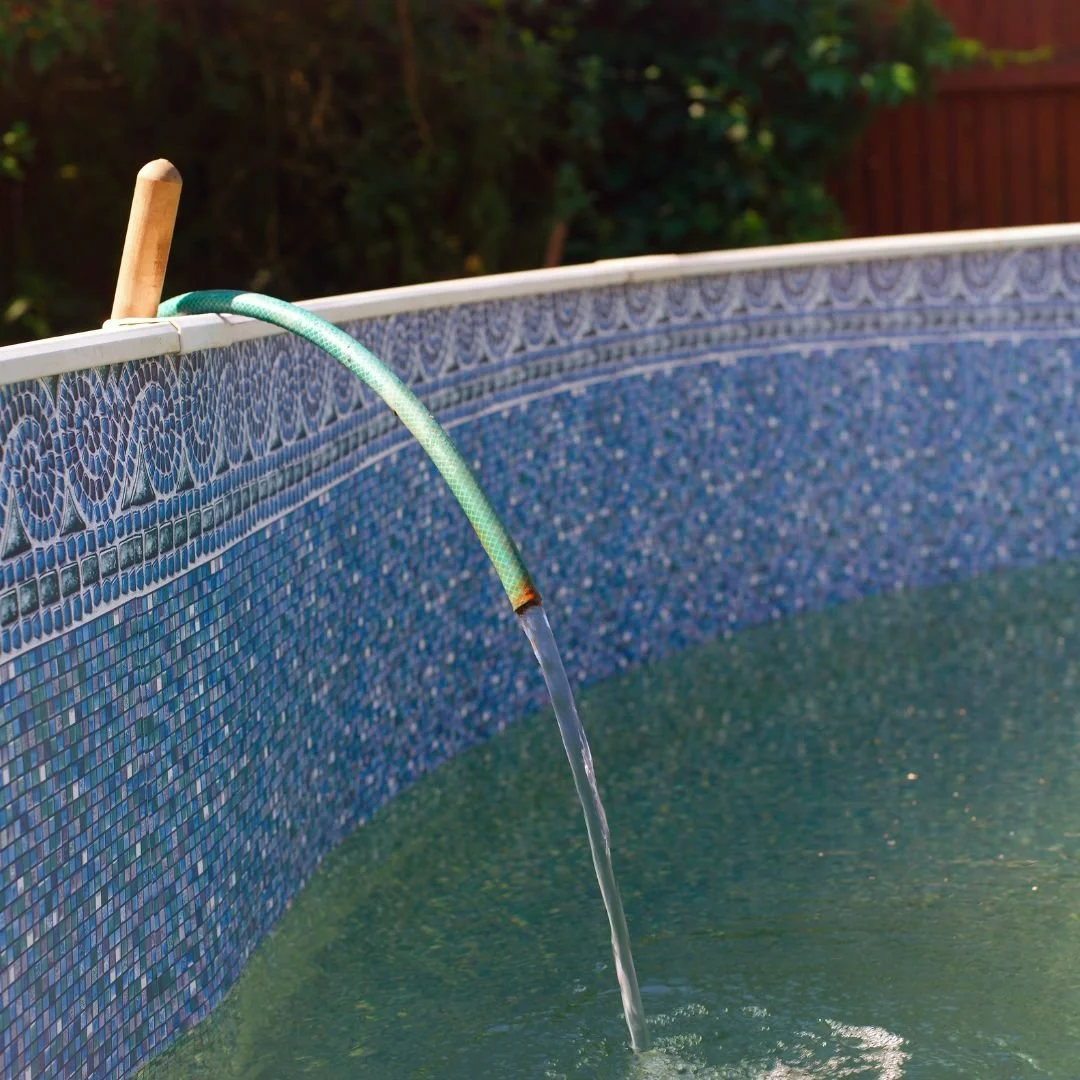
For homeowners with private wells, the dream of a backyard swimming pool or relaxing hot tub often comes with a practical question: Can my well handle the water demand? Low-yield wells—those producing less than about 1-5 gallons per minute (GPM), depending on household size—already struggle with everyday needs like showers, laundry, and cooking. Adding thousands of gallons for pool or tub filling pushes the system far beyond normal use, raising risks of running the well dry, damaging the pump, or causing long recovery periods without water.
The short answer is yes, it's technically possible in many cases, but it's rarely straightforward and often inadvisable without careful planning or upgrades. The feasibility hinges on your well's specific yield, recovery rate, the volume required, how you manage the fill process, and whether you have ways to buffer demand.
Understanding Water Volume Requirements
A typical above-ground or small in-ground swimming pool holds 10,000 to 20,000 gallons, with averages around 18,000 gallons for a standard residential pool. Filling that volume in one go demands sustained high flow—often 5-10 GPM or more from a garden hose—which quickly exceeds what a low-yield well can supply continuously.
Hot tubs require far less: most 4-6 person models hold 300-450 gallons, with some larger ones reaching 500-800 gallons. Filling a hot tub might take just 1-3 hours at full hose flow, making it more manageable for many wells compared to a pool.
Even so, the key issue isn't total volume—your well might recover enough over days or weeks—but the rate of withdrawal versus recharge. A 1 GPM well can theoretically produce 1,440 gallons per day if run continuously, but peak demand during filling far outpaces that, dropping water levels rapidly and introducing air or sediment that harms the pump.
Risks of Filling on a Low-Yield Well
Attempting to fill large volumes too quickly can lead to serious problems:
Over-pumping and dry running: The pump pulls water faster than the aquifer replenishes, exposing the intake and causing the pump to run dry. This overheats the motor, burns out windings, or damages impellers—repairs often cost thousands.
Extended recovery times: After aggressive pumping, the well may take hours or days to recover, leaving your home without usable water for essential tasks.
Sediment and quality issues: Low levels stir up sand, iron, or minerals, which can stain pool surfaces, clog filters, or require extra treatment.
Increased wear: Frequent or prolonged pump runtime shortens equipment life and raises energy bills.
Many well owners report success with hot tubs by filling slowly or in stages, but pools often cause issues unless yield is higher or special precautions are taken.
Practical Ways to Make It Work
If your well tests at 3-5 GPM or better, a hot tub is usually feasible with minimal risk—fill during off-peak times and monitor pressure. For lower yields or larger pools, consider these strategies:
Fill gradually over days or weeks: Run the hose for limited periods (e.g., a few hours daily), allowing recovery between sessions. This prevents drawdown and protects the pump.
Use a storage buffer: Install a large cistern or tank to collect water slowly from the well, then transfer to the pool or tub faster. This decouples filling rate from well yield.
Test your well first: Have a professional measure static level, yield, and recovery rate after pumping to gauge safe withdrawal limits.
Treat the water: Well water often contains minerals, metals, or bacteria that stain liners or affect chemistry—use pre-filters on the hose and balance pH/alkalinity carefully after filling.
For pools, these steps help but don't eliminate risks entirely if yield is very low.
A Reliable Solution for Low-Yield Wells: The Well Harvester

Homes with chronically low-producing wells face recurring challenges with high-demand activities like filling pools or hot tubs. The Well Harvester from Epp Well Solutions addresses this directly by transforming unreliable low-yield sources into consistent, high-volume supplies.
This patented system pumps water slowly and automatically into a 215-gallon atmospheric storage tank, preventing over-pumping and protecting the aquifer and pump. The touchscreen controller monitors levels and usage, delivering up to 20 GPM on demand—far exceeding most well outputs—without aggressive cycling or drawdown. For filling a hot tub, the stored water provides ample volume quickly; for a pool, it allows staged transfers from the tank while the well recharges steadily.
Installation is typically completed in a day, and the 3-year warranty adds confidence. Many owners find that adding the Well Harvester makes previously impossible tasks—like occasional pool top-offs or hot tub refills—routine and worry-free, without risking pump damage or dry wells.
Final Considerations Before You Fill
Always start with realistic expectations: A low-yield well isn't designed for massive, rapid withdrawals. Consult a certified well professional to assess your specific setup—yield tests, pump condition, and aquifer health—before proceeding. In drought areas or with very low production (under 1 GPM), trucking in water or using municipal fill services might be safer and more economical than stressing your system.
Hot tubs are often doable with patience and monitoring, while full pool fills push limits for most low-yield wells. By understanding your well's capabilities and exploring storage-based solutions, you can enjoy backyard amenities without compromising your home's water supply.
Ultimately, a low-yield well doesn't have to mean no pool or hot tub—it just requires smarter management. With the right approach or technology, you can balance recreation and reliability for years of enjoyment.