Well Harvester vs. Big Blue Tanks: Which Wins for Low-Yield Homes?
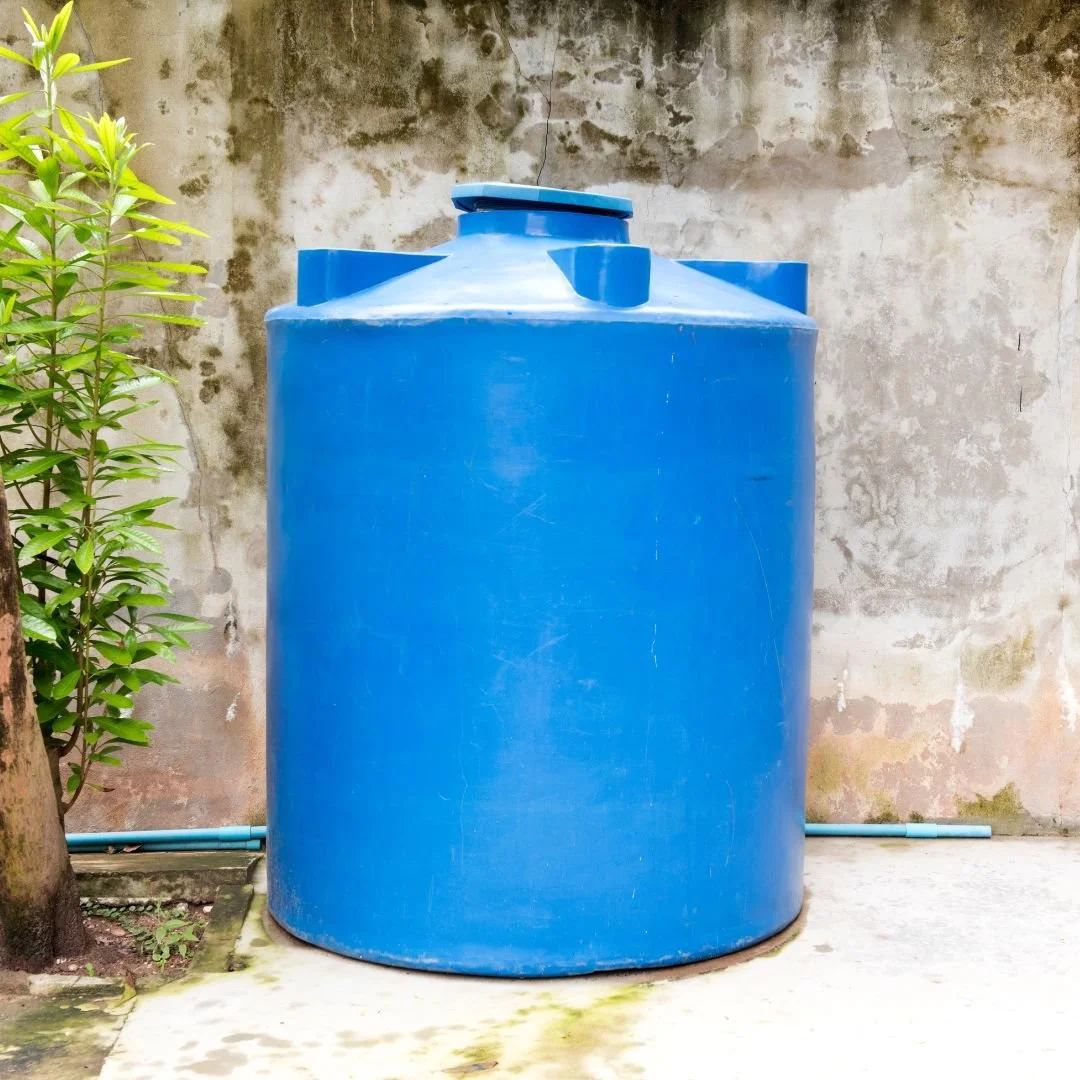
Homeowners with low-yield wells—typically producing less than 3-5 gallons per minute (GPM) sustainably—know the daily frustrations: weak showers, sputtering faucets, frequent pump cycling, running dry during peak use, and the constant worry of over-pumping the aquifer. To bridge the gap between slow recharge and household demand, storage solutions become essential. Two popular approaches stand out: large atmospheric "Big Blue" poly tanks (those durable, blue polyethylene cisterns often holding 500-5,000+ gallons) and the specialized Well Harvester system from Epp Well Solutions.
Both aim to provide reliable water by storing reserves, but they differ dramatically in design, intelligence, and performance for truly challenging low-yield scenarios. Big Blue tanks offer raw volume at a potentially lower upfront cost, while the Well Harvester combines atmospheric storage with smart automation to maximize safe harvest and deliver consistent high flow. Let's compare them head-to-head to see which truly wins for low-production homes.
How Big Blue Tanks Work for Low-Yield Wells
Big Blue tanks refer to large, food-grade polyethylene atmospheric storage vessels—often vertical or horizontal cylinders in signature blue—widely used for rainwater, well backup, or emergency reserves. Capacities range from hundreds to thousands of gallons, providing substantial buffer volume.
In a typical low-yield setup:
A separate well pump fills the tank slowly over hours or days, matching the aquifer's recovery.
A booster or transfer pump draws from the tank to supply the home at strong pressure (often 50-70 psi) and high flow (10+ GPM depending on the pump).
The large volume allows peak demands—like multiple showers, laundry, or irrigation—to pull from reserves without directly stressing the well.
Advantages include affordability (basic tanks start in the low thousands, plus pump and plumbing), simplicity, and scalability—you can add more tanks for extra capacity. They're durable, UV-resistant for outdoor use, and FDA-approved for potable water.
Drawbacks emerge in low-yield realities. Without smart controls, the fill pump may run too aggressively or too long, risking over-pumping if timers or floats aren't perfectly tuned. Manual monitoring is often required to avoid dry running or sediment issues from low levels. Installation can involve excavation for underground models or space for large above-ground units, and there's no built-in protection against frequent cycling or air ingestion. For very low yields (under 1 GPM), even massive tanks may not refill fast enough for consistent daily use without careful management.
The Well Harvester: Intelligent Atmospheric Storage Optimized for Low Yields

The Well Harvester takes atmospheric storage further by integrating patented smart technology specifically engineered for low-producing wells. It uses a 215+ gallon atmospheric tank as the core, but pairs it with automated controls that continuously monitor well levels and adjust pumping to harvest the maximum sustainable water 24/7—without ever over-drawing.
Key features include:
Slow, intermittent pumping that prevents depletion and protects the aquifer and pump.
Touchscreen controller for real-time monitoring of levels, usage, and system status.
High-output delivery up to 20 GPM from stored reserves, ensuring strong pressure even during high demand.
Prevention of short-cycling, air surges, and sediment pull by maintaining safe draw rates.
This system transforms a low-yield well into a dependable source: the well pump runs only when needed and at gentle rates, refilling the tank gradually while household use draws from ample reserves. Installation is typically quick (often one day), and it comes with a 3-year warranty for reliability.
Compared to generic Big Blue setups, the Well Harvester eliminates guesswork—no manual timers, no risk of accidental over-pumping, and built-in safeguards that extend well and pump life. The smart automation harvests more water overall by optimizing draw timing, often outperforming passive large tanks in efficiency and consistency.
Head-to-Head Comparison for Low-Yield Performance
Big Blue tanks can win on sheer capacity: a 1,000- or 2,000-gallon unit provides massive reserves for occasional heavy use or emergencies, at a potentially lower initial investment if you source a basic poly tank and add your own booster pump.
The Well Harvester excels in intelligence and protection: its 215+ gallon tank, combined with automation, delivers reliable household flow (up to 20 GPM) without the risks that plague unmanaged large tanks. For chronically low yields, the smart controls prevent the very problems (over-pumping, dry running, inconsistent refill) that force many to oversize passive tanks. It also requires less space and offers easier monitoring via the touchscreen interface.
In real-world low-yield homes, the Well Harvester often provides better day-to-day reliability—steady pressure, no mid-shower fades, and peace of mind—while still protecting the well long-term. Passive Big Blue systems can work well with diligent oversight and proper setup, but they demand more user involvement to avoid pitfalls.
Which One Wins for Your Low-Yield Home?
Choose a Big Blue tank (or similar large poly atmospheric storage) if:
You need massive volume for infrequent high-demand events or backup.
Budget prioritizes raw capacity over automation.
You're comfortable managing fill rates, pumps, and monitoring yourself.
Opt for the Well Harvester if:
Your well yields very low (under 2-3 GPM) and you want set-it-and-forget-it reliability.
Preventing over-pumping, pump wear, and aquifer stress is a top priority.
Consistent high pressure and flow for daily living matter most.
For most severely limited low-yield homes, the Well Harvester pulls ahead as the smarter, more sustainable winner. It doesn't just store water—it actively harvests and manages it intelligently, turning a frustrating limitation into dependable performance without the headaches of oversized passive tanks.