Living with a Shared Well Agreement: Disputes and Solutions
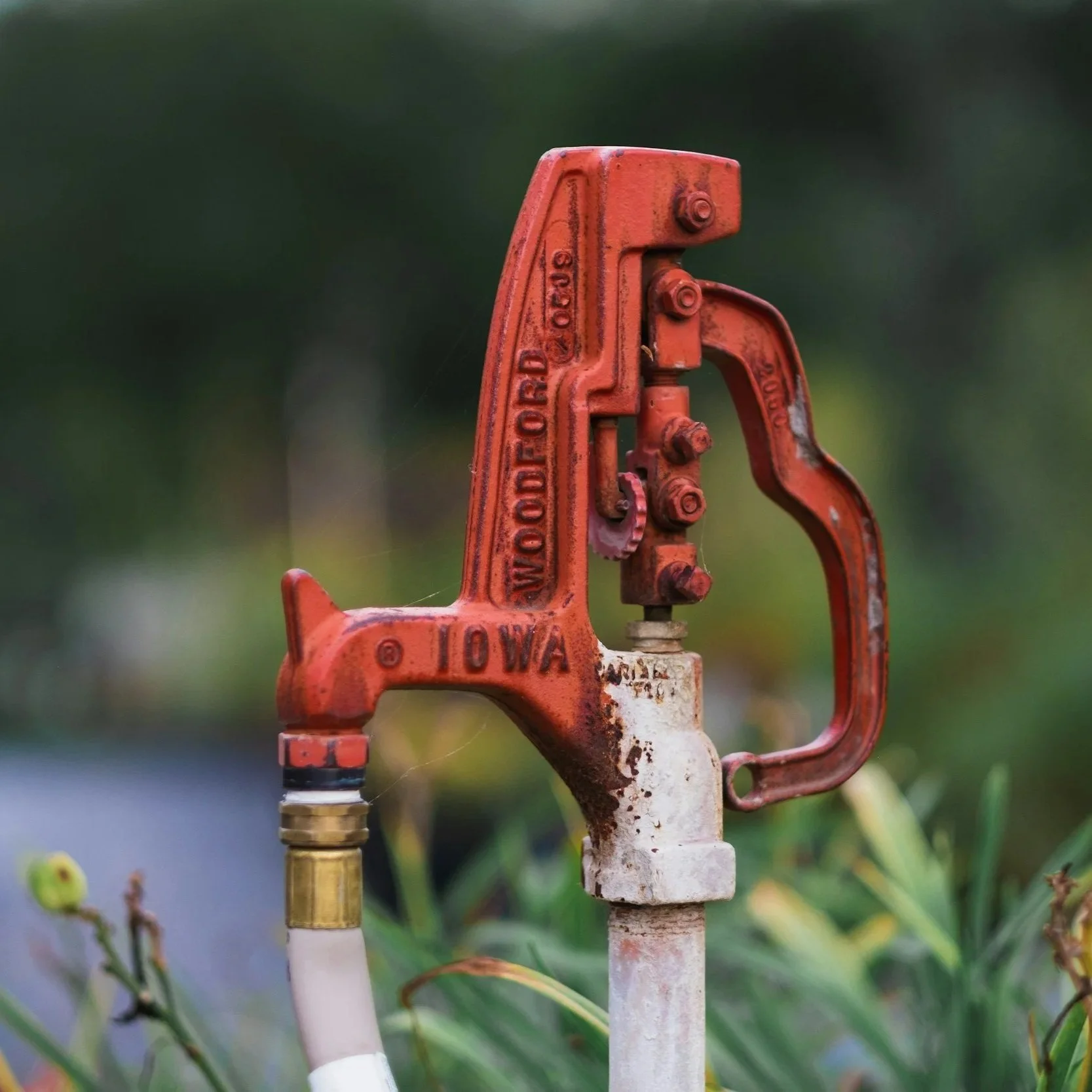
Sharing a single well among multiple households offers practical benefits like reduced drilling costs, lower maintenance expenses, and shared responsibility for a vital resource. In rural communities where individual wells prove too expensive or geologically challenging, these arrangements are common and can work smoothly when everyone cooperates. A well-drafted shared well agreement typically spells out ownership percentages, cost-sharing formulas, usage guidelines, maintenance protocols, and steps for resolving conflicts, providing a foundation for peaceful coexistence.
Despite good intentions, shared wells frequently become flashpoints for neighbor disputes. Unequal water use, unexpected repair bills, and differing priorities turn cooperative setups into sources of frustration. Recognizing the most frequent sources of tension and applying practical remedies helps preserve both relationships and reliable water access.
Frequent Sources of Conflict
Disagreements often arise from imbalance or ambiguity. One household might use significantly more water—for irrigation, filling a pool, adding family members, or running high-demand appliances—lowering pressure or yield for others during peak times. Maintenance decisions spark arguments when parties disagree on timing, contractors, or who covers what portion of the bill. Electricity costs can surge if the pump cycles excessively due to overuse or low yield, leading to accusations of unfair burden. Access issues surface when one owner needs to reach the wellhead for inspection or repair but faces resistance. Water quality complaints emerge if sediment, bacteria, or hardness worsens, with fingers pointed at neighbors' habits.
Low-yield shared wells intensify every issue. Limited aquifer recharge means high simultaneous demand drops levels quickly, causing sputtering faucets, pump strain, or dry spells that affect all connected homes. Without clear metering or enforceable limits, small differences in consumption grow into major grievances.
Strengthening the Foundation: The Shared Well Agreement
The single most effective tool for preventing and resolving disputes is a clear, updated, legally sound agreement. Ideally recorded with property deeds, it should detail proportional cost splits (by usage, household count, or square footage), maximum allowable daily or peak usage, regular testing and maintenance schedules, decision-making rules (majority vote or unanimous for big expenses), and a structured dispute process starting with mediation. If the current document lacks specificity, consulting a real estate or water rights attorney to amend or replace it can prevent future headaches and ensure enforceability.
Practical Steps to Reduce and Resolve Disputes
Open communication stands as the first line of defense. Schedule annual or semi-annual meetings to review bills, discuss upcoming needs, and address concerns before they fester. Installing individual water meters at each connection provides objective data on usage, making cost allocation transparent and overuse easier to identify and correct. When disagreements escalate, mediation through a neutral third party—such as a local mediator or agricultural extension service—often resolves issues faster and cheaper than court.
For shared wells hampered by inconsistent yield or pressure complaints, system upgrades can dramatically reduce friction. By improving reliability and buffering demand, everyone benefits from steadier supply and fewer arguments over shortages.

The Water Booster from Epp Well Solutions offers an effective, targeted solution for shared setups facing these challenges. This system stores water from the shared well in a reservoir and boosts it on demand to deliver strong, consistent pressure and flow to the individual home or building. Each household draws from personal reserves rather than directly taxing the common source during peak use, minimizing drawdown and protecting yield for all users. The booster reduces pump cycling, lowers electricity costs, and extends equipment life—advantages shared across the group.
Installation integrates cleanly with existing lines, and the result is far fewer pressure-related complaints, more predictable bills, and less strain on the well itself. In shared agreements that already include usage limits or metering, adding a Water Booster at problem households often eliminates the root cause of disputes without requiring major well work or new infrastructure.
Looking Ahead: Sustaining Harmony Long-Term
Annual water quality testing shared among all parties builds trust and catches issues early. Establishing a small sinking fund for major repairs (pump replacement, well rehabilitation) funded proportionally prevents last-minute battles over large bills. Periodic agreement reviews—especially after property sales or household changes—keep terms relevant. In extreme cases where cooperation breaks down irreparably, exploring individual wells becomes an option, though the high cost makes it a last resort.
Shared well living demands compromise and proactive management, but it doesn't have to mean constant conflict. By clarifying rules, communicating openly, metering usage, and incorporating reliability-boosting solutions like the Water Booster, neighbors transform a potential liability into a sustainable, cost-effective asset. With thoughtful steps, a shared well can provide dependable water for years while keeping good relations intact.