Nitrates in Well Water: Testing, Risks, and Filtration Solutions for Families
Nitrates rank among the most widespread contaminants in private well water, particularly in agricultural regions where fertilizers, animal waste, and septic systems introduce excess nitrogen into groundwater. Unlike bacteria or sediment that might cause immediate noticeable changes, nitrates often go undetected without testing because they are colorless, odorless, and tasteless. For families relying on wells—especially those with infants, pregnant individuals, or young children—elevated nitrates pose serious health concerns that make regular testing and effective treatment essential.
Understanding nitrates starts with their sources and how they enter wells. Agricultural runoff from crop fields carries nitrogen-based fertilizers into shallow aquifers. Livestock operations contribute through manure lagoons or over-application of waste as fertilizer. Failing or poorly placed septic systems allow human waste nitrates to leach into groundwater. Natural deposits in soil can add minor amounts, but human activities drive most problematic levels. Shallow wells near farms, feedlots, or new developments face the highest risk, with contamination fluctuating seasonally due to rain, irrigation, or fertilizer application timing.
Health Risks: Why Families Need to Pay Attention
The primary danger from nitrates stems from their conversion to nitrites in the body, which interfere with blood's oxygen-carrying capacity. In infants under six months—particularly bottle-fed babies—this leads to methemoglobinemia, commonly called blue baby syndrome. Symptoms include bluish or grayish skin (especially around lips and eyes), shortness of breath, lethargy, irritability, rapid heart rate, and in severe cases, coma or death if untreated. The condition develops quickly, sometimes over days, because babies' stomachs are less acidic, allowing bacteria to convert nitrates to nitrites more readily.
Pregnant individuals face heightened risks too, as increased oxygen demands amplify effects, with some studies linking high nitrate exposure to miscarriage or birth defects. Adults and older children generally tolerate higher levels without acute issues, though emerging research suggests chronic exposure below regulatory limits may raise risks for certain cancers, thyroid problems, or other conditions when combined with dietary factors that promote nitrosamine formation.
The U.S. Environmental Protection Agency (EPA) sets the maximum contaminant level (MCL) for nitrate in drinking water at 10 milligrams per liter (mg/L) measured as nitrogen (equivalent to about 45 mg/L as nitrate). This standard protects against methemoglobinemia in infants, the most vulnerable group. Levels above 10 mg/L require action, while results between 5-10 mg/L warrant closer monitoring.
Testing Your Well Water for Nitrates
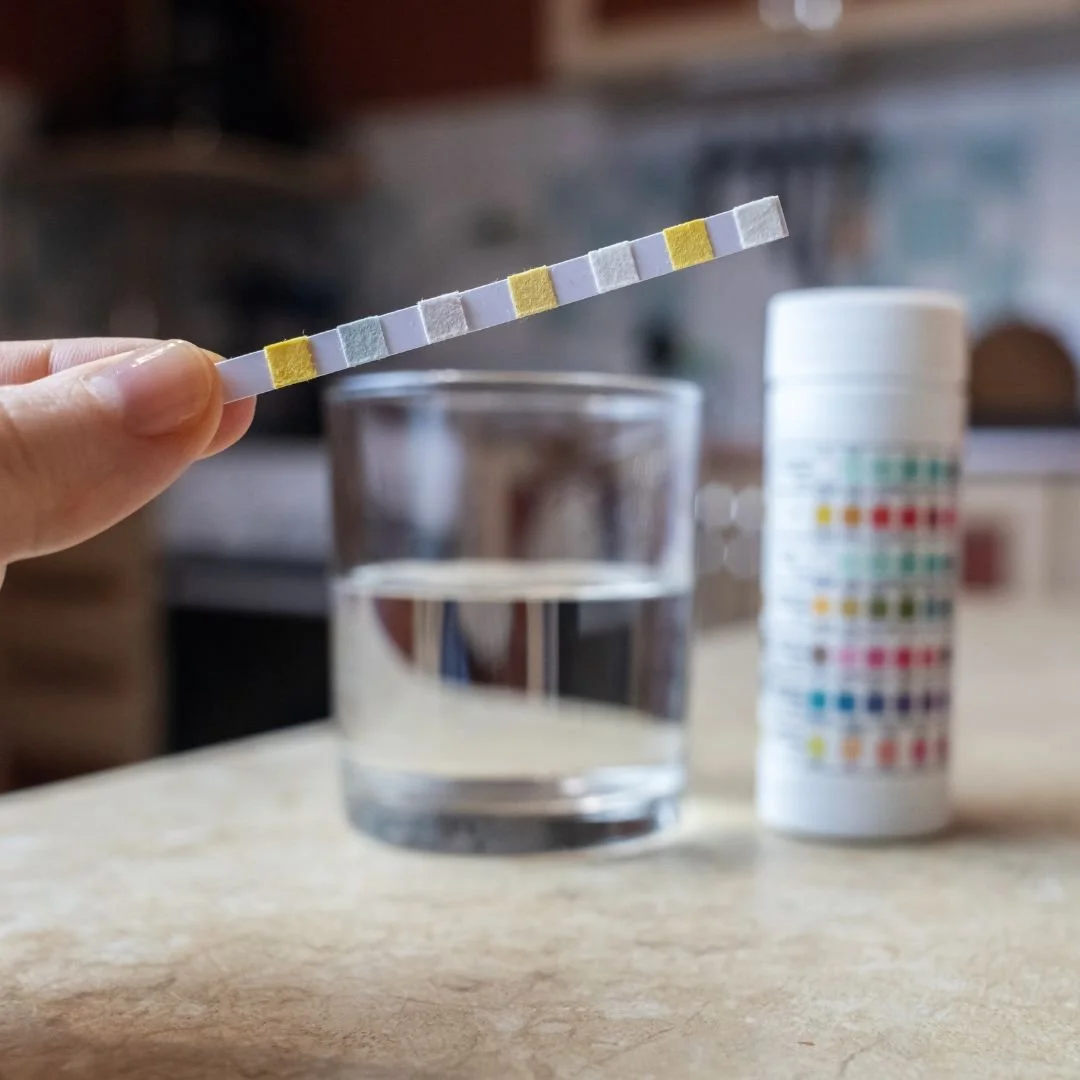
Private well owners bear full responsibility for water quality—no regulatory oversight applies like with public systems. Annual testing for nitrates is strongly recommended, especially in agricultural areas or after heavy rains, new fertilizer use nearby, or well repairs. Test more frequently if planning pregnancy, expecting a baby, or if past results neared 5 mg/L.
Use a certified laboratory for accurate results—many county health departments provide kits or lists of approved labs, with costs typically $25-50 per nitrate test. Sample from a tap used for drinking (after running cold water briefly), avoiding hoses or outdoor spigots that might introduce contaminants. Results report as nitrate-nitrogen (NO3-N) or nitrate (NO3); convert if needed (NO3 = NO3-N × 4.43). If levels exceed 10 mg/L, retest immediately and avoid using the water for infant formula or drinking until addressed.
Filtration Solutions: Making Well Water Safe for Your Family
When tests reveal elevated nitrates, treatment focuses on removal rather than dilution (boiling concentrates nitrates). Two proven methods dominate for residential use:
Ion exchange systems (similar to water softeners): These use special resin beads that swap nitrate ions for chloride ions. Effective for whole-house treatment, they handle higher nitrate levels (up to 100+ ppm in some models) and provide consistent removal (>90% in well-designed units). Regeneration with salt brine flushes captured nitrates to waste, requiring periodic maintenance like any softener. Ideal for families wanting point-of-entry protection for all taps.
Reverse osmosis (RO): This membrane technology forces water through a semi-permeable barrier, rejecting nitrates along with many other contaminants. Under-sink RO units excel for drinking and cooking water, achieving 85-98% removal depending on the system. Whole-house RO exists but proves costly and wasteful for large volumes. Point-of-use RO suits most families, pairing well with pre-filters to extend membrane life.
Both methods require professional sizing based on your nitrate level, household usage, and water chemistry (hardness or iron can affect performance). Pretreatment like sediment filtration often precedes nitrate removal to prevent clogging. Maintenance includes filter/membrane replacement and regular testing to confirm ongoing effectiveness.
For wells where pressure or flow concerns compound quality issues, integrated solutions can help. The Water Booster from Epp Well Solutions stores and pressurizes water effectively, complementing nitrate filtration by ensuring strong delivery without over-stressing the well—maintaining consistent flow to RO units or ion exchange systems for reliable treated water throughout the home.
Protecting Your Family Moving Forward
Nitrates in well water represent a preventable risk with vigilance. Test annually, act promptly on elevated results, and select treatment suited to your family's needs—whether whole-house ion exchange for comprehensive protection or targeted RO for drinking water. In high-risk agricultural zones, consider source protection like proper well siting, sealing, and setback from fertilizer/septic sources.
Safe water forms the foundation of family health. By staying informed about nitrates, testing regularly, and implementing proven filtration, well owners safeguard their loved ones from hidden threats and enjoy peace of mind with every glass.