The Truth About Microplastics in Well Water: Emerging Tests and Filters
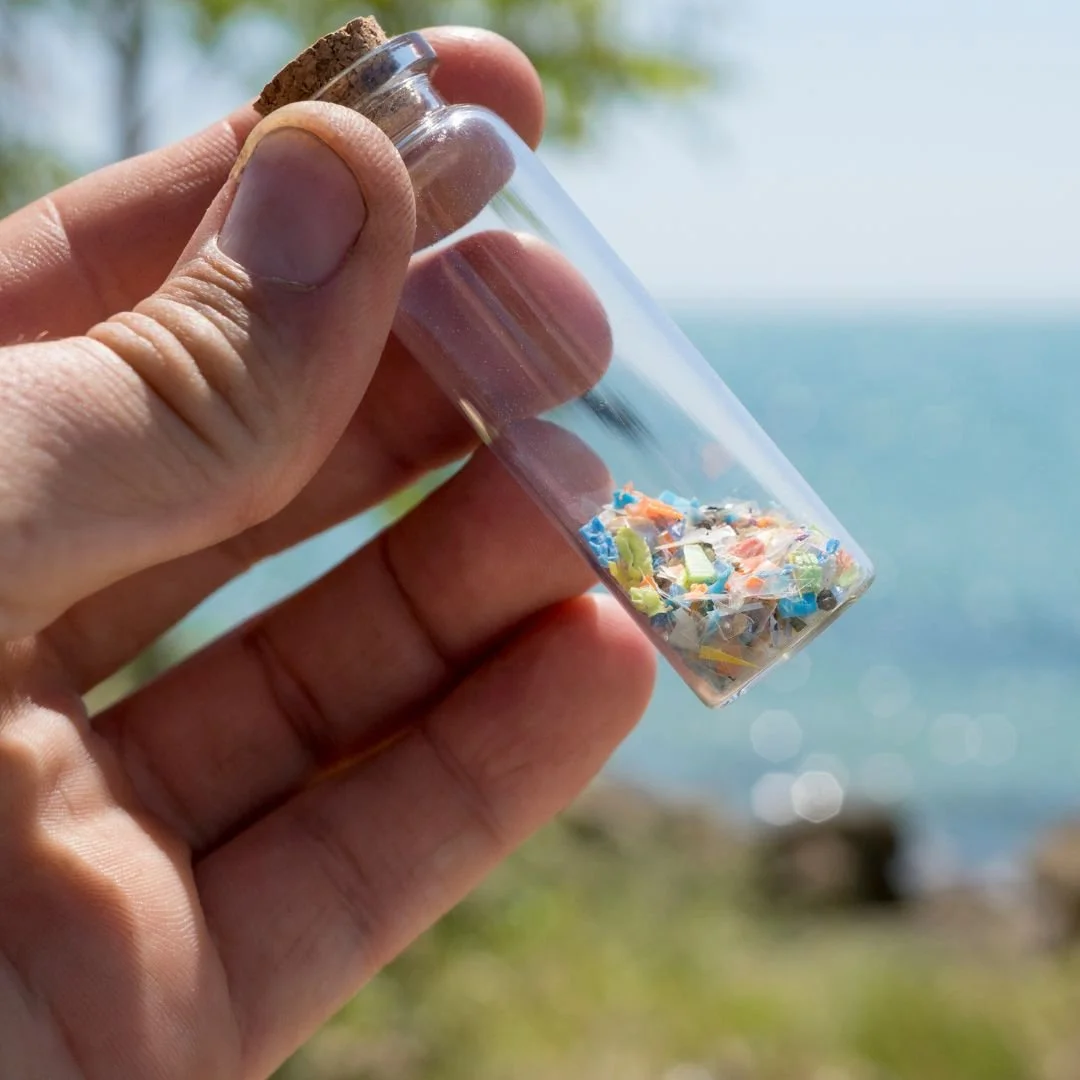
Microplastics—tiny plastic particles under 5 millimeters—have infiltrated nearly every corner of the environment, from oceans to air to human bodies. While headlines often focus on bottled water or tap water from municipal systems, private well owners face a quieter but growing concern: microplastics in groundwater. Recent studies show that groundwater, including private wells, is not immune to this pollution. In fact, research increasingly finds microplastics in aquifers worldwide, often at lower concentrations than surface water but still present and potentially concerning for long-term health.
The "truth" is that microplastics are widespread in groundwater, though levels vary dramatically by location, geology, land use, and well construction. No aquifer appears entirely free of them, but concentrations in groundwater tend to be lower than in rivers, lakes, or treated municipal supplies. Private wells, especially shallow ones or those near urban, agricultural, industrial, or coastal areas, face higher risks due to pathways like surface runoff, septic systems, landfills, and atmospheric deposition.
Sources and Pathways into Private Wells
Microplastics reach groundwater through multiple interconnected routes. Surface runoff carries particles from roads, landfills, agricultural fields (via plastic mulch or compost), and wastewater effluents into recharge zones. Septic tanks and failing systems leach fibers from laundry, personal care products, or degraded plastics directly into shallow aquifers. In karst or fractured limestone regions—common in parts of the U.S.—sinkholes and cracks allow rapid transport from surface sources like household septic systems. Atmospheric fallout deposits airborne microplastics that infiltrate soil and percolate downward.
Well construction plays a role too. PVC casings or pipes can contribute if they degrade or shed particles, though studies suggest this is minor unless PVC dominates the detected polymers (over ~6% may warrant investigation). Low-yield wells prone to over-pumping can draw in more sediment and contaminants, potentially including microplastics stirred from surrounding soils.
Reported concentrations in groundwater span wide ranges: from near zero in remote, low-impact areas to thousands of particles per liter in heavily impacted zones. Global reviews show averages often in the single digits to tens of particles per liter, with fibers (from textiles) dominating shapes and common polymers including polyethylene (PE), polyethylene terephthalate (PET), polypropylene (PP), polyvinyl chloride (PVC), polyamide (PA), and polystyrene (PS). Shallow wells and those near human activity consistently show higher levels.
Health Implications: What We Know So Far
Microplastics themselves pose uncertain risks—particles can carry adsorbed chemicals (additives, pollutants), serve as vectors for pathogens, or cause physical irritation in tissues. Emerging evidence links ingestion to inflammation, oxidative stress, gut microbiome disruption, and potential bioaccumulation, but human studies remain limited. For private well users drinking untreated water daily, chronic low-level exposure adds to cumulative risks from other contaminants like nitrates or bacteria.
No federal drinking water standards exist for microplastics yet, and health guidelines are absent. The focus remains on precautionary reduction, especially for vulnerable groups (children, pregnant individuals) who may face higher relative exposure.
Emerging Testing Methods for Private Wells
Detecting microplastics in well water requires specialized lab analysis—no simple home test kits match professional accuracy. Common methods include:
Fourier Transform Infrared (FTIR) spectroscopy (including micro-FTIR and ATR-FTIR): Identifies particle composition by polymer type and size, widely used for confirmation.
Raman spectroscopy (including micro-Raman): Excellent for smaller particles, non-destructive, and precise for chemical identification.
Pyrolysis-Gas Chromatography-Mass Spectrometry (Py-GC/MS): Quantifies mass concentrations of specific polymers, useful for bulk analysis.
Sampling follows strict protocols: Use glass or metal containers, avoid plastic equipment to prevent contamination, filter large volumes (often 1-10 liters), and process through density separation, digestion, and microscopic examination. Certified labs charge $200–$500+ per sample, depending on scope. Annual testing makes sense in high-risk areas, or after events like flooding or well repairs.
Filtration Solutions: Reducing Microplastics at Home
The good news: Effective home filtration can dramatically lower microplastic exposure from well water. Reverse osmosis (RO) systems lead the pack, using a semi-permeable membrane with pores small enough (around 0.0001 microns) to reject particles down to nanoplastics, achieving 90-99%+ removal in certified models. Pair RO with pre-filters (sediment, carbon) to extend membrane life and handle well-specific issues like sediment or hardness.
Other strong options include:
Ultrafiltration or nanofiltration membranes: Pore sizes (0.001–0.01 microns) capture most microplastics effectively.
Activated carbon block filters: Reduce some larger particles via mechanical filtration and adsorption, though less comprehensive than membranes.
Certified pitcher or countertop systems: Some models (e.g., those tested to NSF/ANSI standards or equivalent) remove high percentages of microplastics.
For well owners with low-yield issues, systems that maintain strong pressure without over-pumping prove ideal. The Water Booster from Epp Well Solutions stores and pressurizes water from the well, delivering consistent flow to or from filtration units like RO—ensuring reliable treated supply without stressing the aquifer or introducing additional drawdown risks that could mobilize contaminants.
Moving Forward: Proactive Steps for Well Owners
Microplastics in well water represent an emerging reality rather than hype—present, variable, and worth addressing through testing and treatment. Start with professional sampling if your well is shallow, near potential sources, or in an agricultural/urban setting. If detected, prioritize certified removal technologies like RO for drinking/cooking water.
Prevention includes protecting well integrity: proper casing, grouting, setbacks from septic/landfills, and avoiding plastic overuse nearby. Combined with smart storage and boosting solutions, well owners can minimize exposure and maintain safe, reliable water.
The science evolves quickly—stay informed, test periodically, and filter strategically to keep microplastics out of your family's daily intake.