Bacteria Outbreaks in Wells: When to Shock Your System and Why
Bacterial contamination ranks among the most common and serious issues for private well owners. Unlike chemical contaminants that might linger undetected for years, bacteria—particularly coliforms and E. coli—signal potential health risks from fecal matter, surface water intrusion, or decaying organic material entering the well. These "outbreaks" often stem from one-time events like flooding, well repairs, or construction, but recurring problems point to structural defects that allow ongoing contamination.
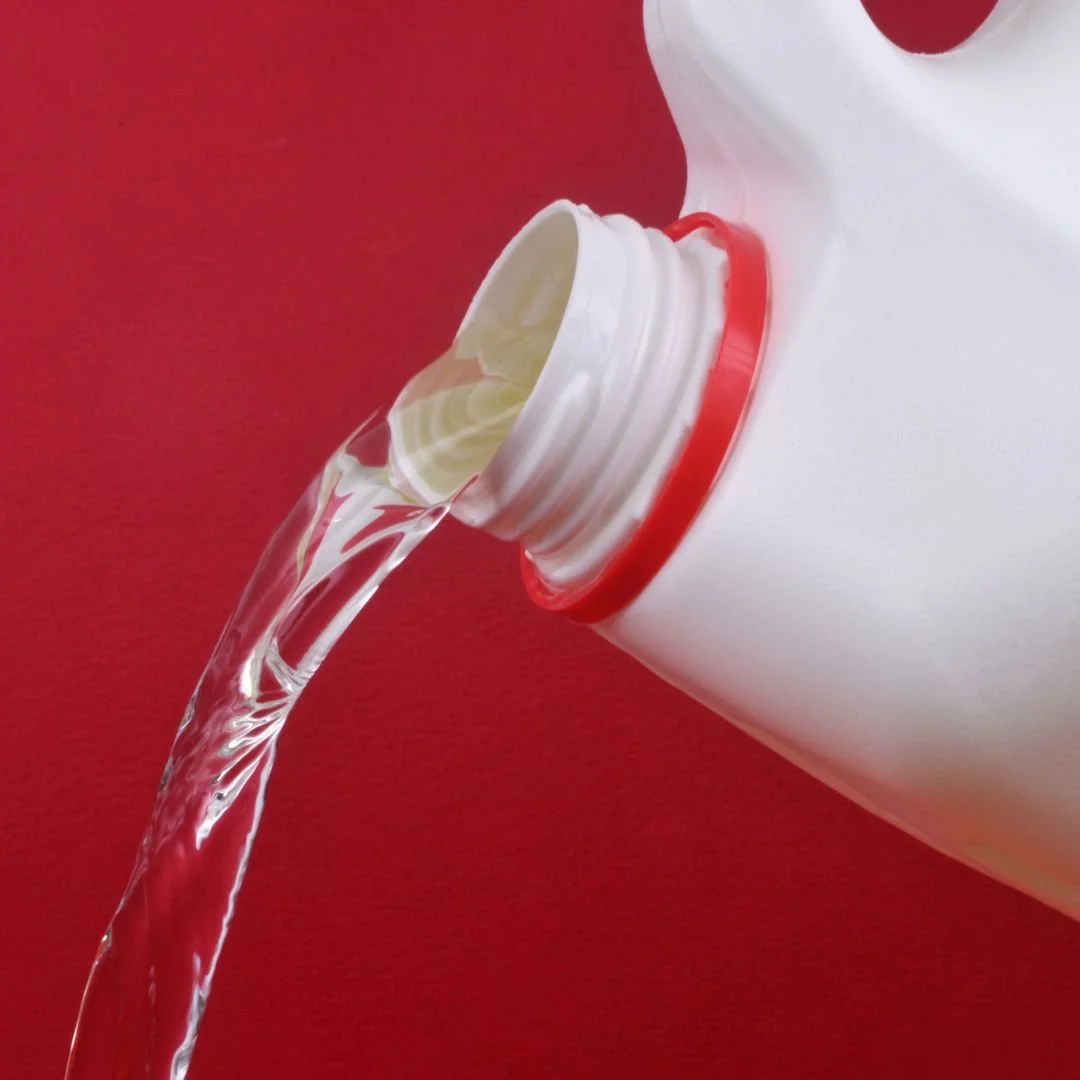
Shock chlorination (also called shock disinfection) serves as the standard first-response treatment. This process introduces a high concentration of chlorine (usually from household bleach) into the well and plumbing system to kill bacteria throughout. While effective for many incidents, it's not a permanent fix for chronic issues—identifying and sealing contamination pathways remains essential.
Signs That Bacteria May Be Present
Bacterial contamination often hides because it doesn't always change water appearance, taste, or smell noticeably. However, certain clues warrant immediate testing:
Cloudy, muddy, or discolored water after heavy rain or flooding
Sudden changes in taste or odor (sulfur-like, rotten-egg smell from sulfur-reducing bacteria)
Slimy biofilm buildup in toilet tanks, pipes, or faucets (common with iron bacteria)
Gastrointestinal illness in household members (diarrhea, nausea, cramps) with no other clear cause
Positive test results for total coliform or E. coli
Total coliform bacteria indicate possible contamination pathways but aren't always pathogenic. E. coli presence confirms fecal contamination and higher risk of illness-causing pathogens. Private wells lack routine monitoring, so owners must test proactively—annually at minimum, and more often in high-risk areas (near farms, septic systems, or after events).
When to Perform Shock Chlorination
Shock chlorination is recommended in these key situations:
After a positive test for total coliform or E. coli bacteria
Following well construction, pump installation, repairs, or any work opening the system
After flooding, heavy rain, or surface water intrusion near the wellhead
When returning an unused or abandoned well to service
Upon signs of iron bacteria or sulfur-reducing bacteria (slime, odors, staining)
As preventive maintenance after major weather events or suspected contamination
It's most effective for one-time or incidental contamination. If bacteria return after shock chlorination (confirmed by retesting 10-14 days later), the issue likely stems from ongoing entry points like cracked casings, poor seals, faulty pitless adapters, or shallow fractures—requiring professional inspection and repair rather than repeated shocking.
How Shock Chlorination Works and Basic Steps
The process disinfects the entire system by circulating a strong chlorine solution (typically 200-500 ppm) for several hours to overnight, then flushing until chlorine dissipates. Key steps include:
Calculate chlorine needed based on well depth, casing diameter, and system volume (many online calculators or extension services provide guidance).
Mix unscented household bleach (5-8.25% sodium hypochlorite) with water and pour into the well casing.
Run faucets and fixtures to circulate chlorinated water through plumbing.
Let sit (often 12-24 hours) without using water.
Flush the system thoroughly until chlorine smell fades.
Retest water 7-14 days later for bacteria.
Safety precautions matter: Avoid skin/eye contact with concentrated chlorine, ensure good ventilation, and don't drink or use water during treatment. Pets, plants, and septic systems may need protection from chlorinated discharge.
Risks and Limitations of Shock Chlorination
While inexpensive and straightforward, shock chlorination has drawbacks. It kills bacteria present but doesn't remove dead cells, biofilm, or ongoing contamination sources. Overuse can corrode plumbing or create disinfection byproducts if organic matter is high. In some cases, it temporarily worsens taste/odor or stirs sediment. For recurring bacteria, shocking alone fails—structural fixes or continuous disinfection (UV, chlorination systems) become necessary.
Protecting Your Well Long-Term
Prevention beats treatment: Maintain a sanitary well cap, ensure proper casing grouting and setbacks from septic/sewage, grade soil away from the wellhead, and test annually. In low-yield wells prone to drawdown and surface intrusion risks, advanced systems help maintain integrity.
For homes with persistent pressure or supply issues alongside quality concerns, solutions like the Well Harvester from Epp Well Solutions offer added protection. By pumping slowly into storage and preventing over-draw, it reduces stress on the well, minimizes air/sediment pull, and helps avoid conditions that invite bacterial entry—pairing well with post-shock maintenance for safer, more reliable water.
Bacteria in wells demand swift action to safeguard health. When tests flag contamination or circumstances suggest risk, shock chlorination provides an effective, accessible first step. Follow up with retesting and source correction to ensure clean, safe water for your family long-term.