Farming on a Budget: Low-Yield Well Solutions for Small Acreages
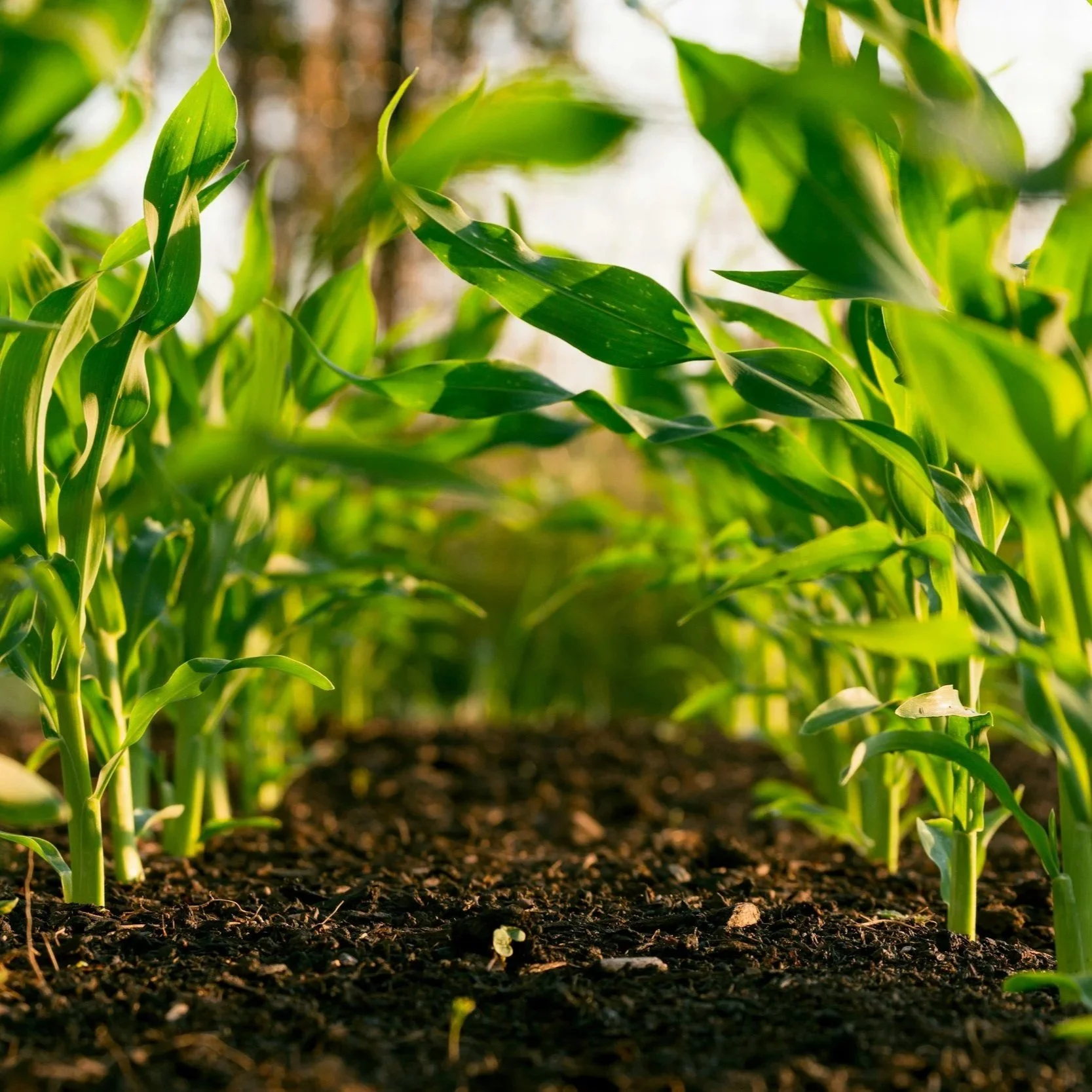
Small-scale farming on limited acreage—whether market gardening, raising poultry or goats, or growing fruit trees—relies heavily on consistent water access, especially during dry seasons. Low-yield wells (under 3-5 gallons per minute sustainable production) make irrigation, livestock watering, and general farm chores challenging without expensive upgrades like new drilling or large-scale infrastructure. Fortunately, cost-effective strategies and targeted solutions allow budget-conscious farmers to make the most of what they have, stretching limited well output into reliable farm support.
The core principle: match demand to slow recharge rather than force high flow. A 1 GPM well can supply 1,440 gallons over 24 hours if pumped gently and stored smartly. The goal is to avoid peak overloads that deplete the well, damage the pump, or stress the aquifer.
Prioritize Conservation and Efficient Water Use
Conservation delivers the biggest bang for zero or minimal bucks. Drip irrigation systems top the list for gardens, orchards, or row crops—delivering water directly to roots through tubing and emitters with almost no evaporation or runoff. Basic kits for small plots start at $100–$300 and operate on low pressure, making them ideal for low-yield wells. For slightly larger areas, use portable soaker hoses or move a single low-flow sprinkler across zones over days instead of attempting whole-acre coverage at once.
Additional low- or no-cost tactics include:
Watering early morning or late evening to reduce losses.
Applying thick mulch around plants to lock in soil moisture.
Selecting drought-resistant varieties or crops suited to your region.
Grouping thirsty plants together for targeted, efficient watering.
These habits often cut water needs by 30–50%, freeing up capacity for essential tasks without new equipment.
Use Storage to Bridge Slow Recharge and Peak Needs
Storage turns a trickle into usable volume by collecting water gradually for release when needed. Affordable atmospheric poly tanks (commonly called "Big Blue" cisterns) in 500–2,000 gallon sizes cost $500–$2,000 and provide a practical buffer. Fill them slowly from the well pump (timed or float-controlled), then use a small transfer pump or gravity (if elevated) to supply hoses, troughs, or drip lines at higher flow rates.
For tighter budgets, repurpose 275-gallon IBC totes ($50–$150 each) or chain several together. These food-grade containers stack easily and work well for small acreages under 5–10 acres, offering enough reserve for daily garden watering, filling animal waterers, or spot irrigation without constant well strain.
Smart Pumping and System Protection
Protect your investment by treating the well gently. Use timers or low-flow controls to limit pump runtime and match aquifer recovery—preventing dry running or excessive cycling. Regular checks on pressure tanks, intake screens, and drawdown levels catch problems early and extend pump life.

For farms needing reliable high output without over-pumping—such as running extended drip lines, multiple livestock troughs, or occasional high-demand tasks—the Well Harvester from Epp Well Solutions stands out as a budget-friendly, high-impact upgrade designed specifically for low-yield wells.
This patented system automates gentle, intermittent pumping into a 215-gallon atmospheric storage tank, harvesting the maximum sustainable water 24/7 without depleting the well. The touchscreen controller monitors levels and adjusts draw to protect the aquifer and pump, while delivering up to 20 GPM on demand from stored reserves—strong enough for efficient irrigation hoses, animal watering, or even small spray setups. Installation is typically completed in a day, and the 3-year warranty provides confidence.
Many small farmers find the Well Harvester transforms frustrating limitations into dependable performance: no more weak flow mid-task, reduced pump wear, lower electric bills from fewer aggressive cycles, and peace of mind during dry spells—all at a fraction of the cost of deepening the well or hauling water.
Layering Strategies for Best Results
Combine approaches for maximum effect: conserve aggressively with drip and mulch, add modest storage (totes or a mid-size tank), and incorporate the Well Harvester for intelligent boosting when consistent pressure and flow matter most. In areas with seasonal rainfall, supplement with simple roof or barn rainwater collection into barrels or tanks—a low-cost addition that reduces well reliance.
Start by getting a professional flow test to know your well's true sustainable yield. This guides realistic expectations and helps prioritize investments.
Farming on a budget with a low-yield well is challenging but far from impossible. By emphasizing efficiency, storage, and smart automation like the Well Harvester, small acreages can produce viable crops, support livestock, and stay sustainable—proving that smart management often outperforms big spending.