The "Drilling Deeper" Gamble: Why It Doesn’t Always Pay Off
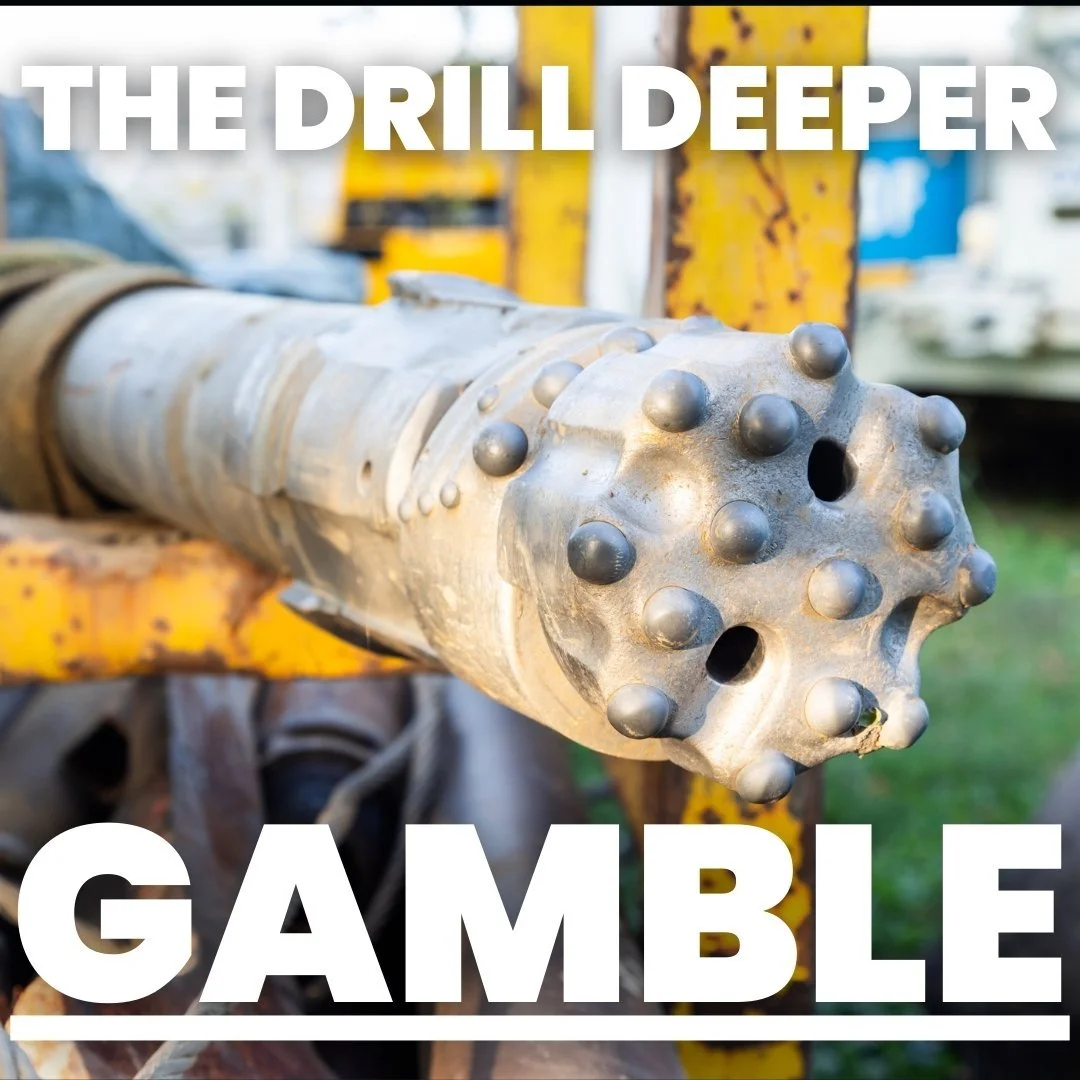
In the world of residential water supply, few decisions carry as much weight—and potential regret—as choosing to drill deeper into an existing well. Homeowners facing dwindling water flow often view this as a straightforward fix: go further down to tap into untapped aquifers, and the problem vanishes. It's an approach rooted in the age-old logic that more depth equals more water. Yet, as many have discovered, this strategy is far from foolproof. What begins as a hopeful investment can spiral into a costly, environmentally risky endeavor with no guaranteed returns. This article explores the financial burdens, geological uncertainties, and sustainable alternatives that savvy property owners should consider before committing to such a gamble.
The Allure—and the Reality—of Drilling Deeper
The appeal of drilling deeper stems from a common scenario in rural and semi-rural areas where private wells are the primary water source. Over time, wells can experience reduced yield due to seasonal droughts, overuse, or natural sediment buildup. When a well that once provided ample water starts sputtering, the knee-jerk reaction is to extend its reach. Drilling companies often promote this as a reliable solution, promising access to deeper, more abundant water tables.
However, the reality is more nuanced. Deeper drilling involves penetrating additional layers of rock and soil, which can introduce complexities that outweigh the benefits. From unpredictable water quality to escalating expenses, the process is laden with variables that can turn a simple upgrade into a protracted headache.
The Rising Financial Burden
One of the most immediate deterrents to drilling deeper is the significant financial commitment required. Well drilling costs in 2026 have seen steady increases due to rising material prices, labor shortages, and stricter regulatory compliance demands. On average, homeowners can expect to pay between $5,500 and $15,000 for a standard residential well extension, depending on the depth and location.
These figures don’t include ancillary expenses such as permitting fees, which can add hundreds or even thousands more, or the cost of new pumping equipment to handle the increased depth. Per-foot pricing typically ranges from $25 to $80, meaning that adding just 100 feet could cost anywhere from $2,500 to $8,000 alone. In regions with challenging terrain—like rocky hillsides or areas prone to seismic activity—these costs can balloon further.
Moreover, if the deeper drilling fails to yield sufficient water, the investment becomes a sunk cost, leaving owners to foot the bill for alternative solutions like municipal hookups or entirely new wells.
Hidden and Long-Term Costs
Beyond the upfront expenses, there are hidden financial pitfalls that compound the gamble. Deeper wells often require more powerful pumps, which consume greater amounts of electricity and lead to higher utility bills over time. Maintenance becomes more intensive as well; accessing components at greater depths demands specialized tools and expertise, driving up service calls.
Insurance considerations also come into play—some policies may not cover complications arising from well modifications, or premiums could rise if the property is deemed higher risk due to geological interventions. In worst-case scenarios, drilling deeper can devalue a property if it leads to structural issues or contamination that affects neighboring lands. Homeowners might even face legal disputes over water rights or environmental impacts, adding substantial legal fees to an already strained budget.
These cumulative costs illustrate why drilling deeper isn’t just a one-time expense but a long-term financial commitment that demands careful scrutiny.
Geological and Environmental Risks
Shifting focus to the geological and environmental risks, drilling deeper introduces a host of uncertainties that can undermine the entire project. Earth’s subsurface is not a uniform reservoir; it’s a complex mosaic of aquifers, faults, and mineral deposits. What appears promising on a preliminary survey might reveal dry zones or fractured rock that impedes water flow.
In some cases, deeper drilling can intersect with saline layers, contaminating the freshwater supply and rendering the well unusable without expensive filtration systems. Geological surveys, while helpful, are not infallible—they rely on samples and models that can’t fully predict subterranean conditions.
Environmental concerns add another layer of complexity. Extending a well can disrupt local ecosystems by altering groundwater dynamics. Over-extraction from deeper levels might lower the water table for surrounding properties, leading to dried-up wetlands or stressed vegetation. This not only affects biodiversity but can also invite regulatory scrutiny from environmental agencies tasked with protecting shared water resources.
In an era of increasing water scarcity, such actions contribute to broader sustainability challenges. Pollutants from drilling fluids or accidental spills during the process pose risks to soil and water quality, potentially requiring costly remediation.
The Myth of Long-Term Sustainability
Drilling deeper often provides only a temporary reprieve rather than a permanent fix. As populations grow and water demands intensify, deeper aquifers face the same depletion pressures as shallower ones. What works today might falter in a few years, necessitating further interventions and perpetuating a cycle of escalating costs and environmental strain.
This approach overlooks the root causes of low well yield, such as inefficient usage or poor maintenance, which could be addressed through less invasive means. Sustainable water management emphasizes conservation and optimization over expansion, aligning with global trends toward resilient infrastructure.
A Smarter Alternative: The Well Harvester®

Amid these challenges, innovative alternatives offer a compelling counterpoint to the drilling deeper gamble. One such solution is the Well Harvester from Epp Well Solutions, designed to maximize the potential of existing low-yield wells without invasive modifications.
This automated system intelligently monitors and manages water extraction, preventing over-pumping that can lead to well burnout or sediment issues. By integrating sensors that detect water levels in real-time, the Well Harvester ensures a steady supply while protecting the aquifer’s integrity. Homeowners benefit from features the automation features of the Well Harvester, which provide peace of mind and operational efficiency.
Unlike drilling deeper, which gambles on uncertain geology, the Well Harvester optimizes what’s already there, increasing usable water output through smart cycling. Installation is straightforward—typically completed in a few hours without heavy equipment—and the system’s durability means long-term savings on repairs. For those wary of high upfront costs, the Well Harvester represents a cost-effective entry point, far less than the many thousands required for depth extensions, while delivering reliable performance backed by Epp Well Solutions’ commitment to quality and customer support.
This technology exemplifies how innovation can sidestep the pitfalls of traditional methods, fostering sustainable water use for generations.
Regulatory and Technological Considerations
Regulatory landscapes further complicate the equation. In many jurisdictions, extending a well requires permits that assess environmental impact and water rights. Delays in approval can stretch timelines, adding to holding costs like temporary water deliveries. Stricter regulations in water-stressed areas may cap extraction depths or mandate monitoring, increasing compliance burdens.
Technological advancements in well management also tilt the scales against drilling deeper. Modern diagnostics—such as downhole cameras and flow meters—allow for precise assessments of existing wells, often revealing fixable issues like clogged screens or inefficient pumps. Rehabilitation techniques, including hydrofracking or chemical treatments, can help yield at a fraction of drilling costs while preserving the original well’s footprint.
The Bigger Picture: Choosing Stewardship Over Expansion
Economically, the broader implications of widespread deeper drilling merit attention. In agricultural regions, collective over-reliance on deep aquifers can depress land values if water scarcity becomes chronic. Communities may face infrastructure strains, like increased energy demands for pumping or the need for supplemental sources.
On a macro level, this contributes to national water policy debates, where sustainable practices are prioritized to avert crises. Individual homeowners, by choosing alternatives, play a role in this larger narrative, promoting resilience over exploitation.
The following factors illustrate the multifaceted drawbacks of drilling deeper:
Financial unpredictability, with costs potentially exceeding initial estimates due to unforeseen geological challenges.
Environmental degradation, including habitat disruption and potential contamination from drilling activities.
Sustainability shortfalls, as deeper resources are finite and subject to the same depletion risks.
Regulatory hurdles that can delay or derail projects.
Technological obsolescence, where innovative tools offer superior, less invasive outcomes.
The Wisest Path Forward
Ultimately, the “drilling deeper” gamble reflects a broader tension between quick fixes and thoughtful stewardship. While it may appeal in moments of urgency, the evidence points to its limitations: prohibitive costs, inherent risks, and questionable longevity.
By contrast, solutions like the Well Harvester® empower owners to enhance their current setups intelligently and sustainably. As water becomes an increasingly precious commodity, prioritizing efficiency over expansion isn’t just prudent—it’s essential.
Homeowners contemplating well improvements are encouraged to consult experts who advocate for holistic assessments, ensuring decisions that safeguard both wallets and the environment for the long haul. In this context, stepping back from the drill might just be the deepest insight of all.