Biofilm Buildup in Tanks: Prevention Tips for Long-Lasting Storage
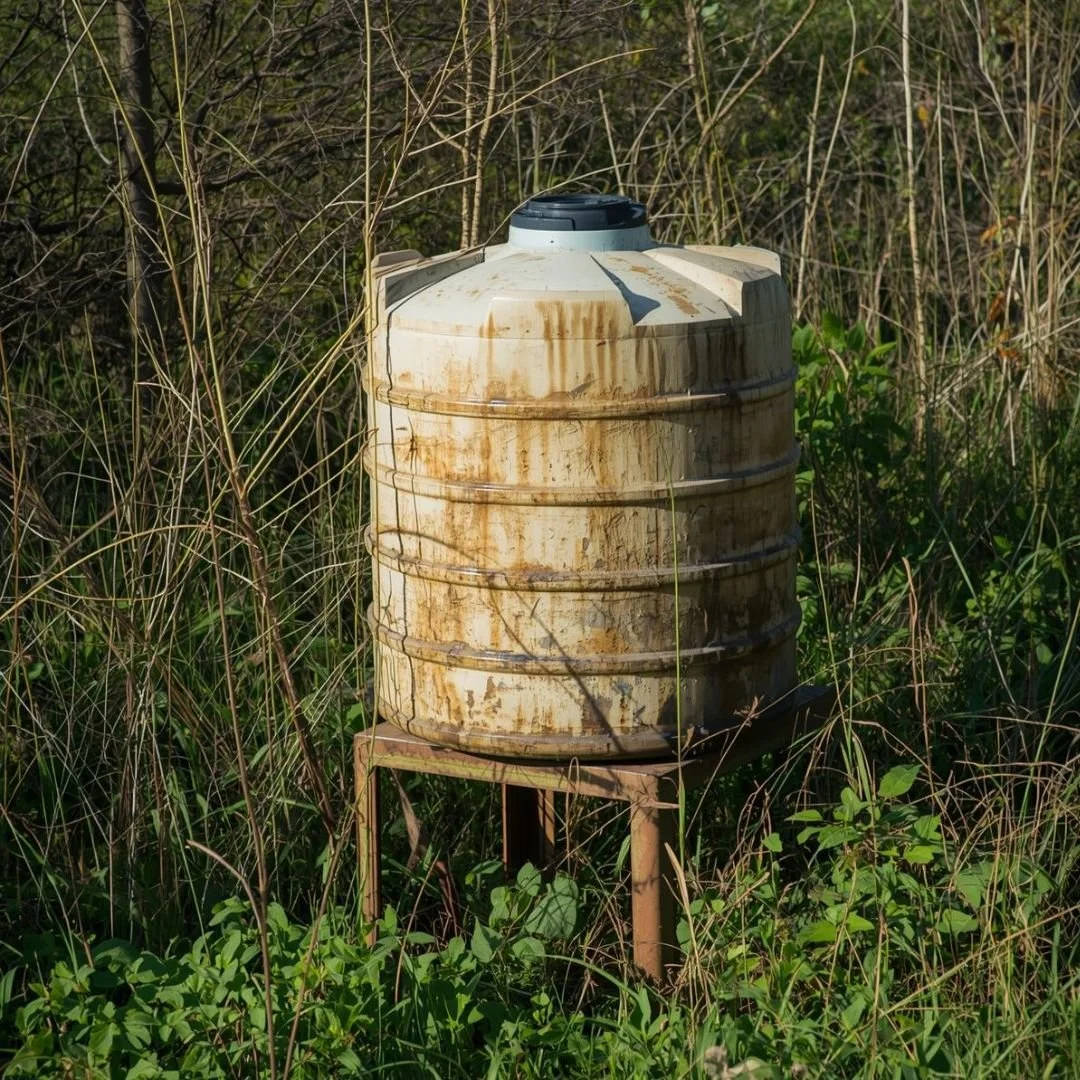
Biofilm—a slimy, protective layer of bacteria, fungi, and other microbes—forms on surfaces in contact with water, thriving in storage tanks where conditions allow attachment and growth. In private well systems, biofilm often appears in pressure tanks (bladder or diaphragm types) and atmospheric storage tanks used to buffer low-yield wells. It starts as a thin film but thickens over time, harboring pathogens, reducing water quality, causing odors, staining fixtures, and shielding bacteria from disinfectants like chlorine.
For well owners relying on storage to maintain reliable supply—especially in low-yield scenarios—biofilm compromises the very solution meant to provide consistent pressure and volume. Slime in tanks leads to taste/odor issues, clogged lines, reduced tank efficiency, and potential health risks from protected bacteria. Prevention focuses on disrupting the conditions biofilm loves: stagnant water, nutrients, warm temperatures, and undisturbed surfaces.
Key Factors That Encourage Biofilm Growth
Biofilm thrives when water sits still, nutrients accumulate, and temperatures hover in the 68–113°F range (ideal for many microbes). In bladder pressure tanks, limited drawdown and intermittent cycling create pockets of stagnation. Atmospheric tanks, with larger volumes and potentially longer residence times, risk buildup if water turns over slowly or debris enters unchecked. Common triggers include:
Low or no flow periods (vacant homes, seasonal use)
Organic matter from well sediment, decaying matter, or external sources
Inadequate cleaning or disinfection
Poor ventilation or uncovered inlets allowing contaminants
Addressing these early keeps tanks clean and water fresh longer.
Practical Prevention Tips for Storage Tanks
Regular maintenance and smart design minimize biofilm risks without constant chemicals or major overhauls. Key strategies include:
Promote constant turnover: Keep water moving to prevent stagnation. In atmospheric tanks, use circulation pumps or ensure daily household drawdown. For bladder tanks, match system sizing to actual use—oversized tanks with low demand foster buildup.
Control temperature: Store water cool (below 68°F where possible) to slow microbial growth. Insulate tanks in hot climates and avoid direct sun exposure for outdoor units.
Maintain cleanliness and access: Install mesh screens or filters at inlets to block debris, insects, and leaves. Ensure tanks have proper lids, vents with screens, and easy access for inspection/cleaning.
Regular flushing and disinfection: Flush tanks periodically (every 6–12 months) by draining and refilling. Use approved shock chlorination (household bleach or calcium hypochlorite) for disinfection—follow guidelines for concentration and contact time, then flush thoroughly. For recurring issues, consider professional cleaning.
Reduce nutrients: Test well water for organics, iron, or sediment that feed microbes. Address source issues with filtration or well rehabilitation if needed.
Use UV or circulation aids: For high-risk setups, add UV recirculation to kill free-floating bacteria before they settle, or install simple air pumps for agitation in smaller tanks.
These steps extend tank life, maintain water quality, and reduce the need for frequent interventions.
Tailored Prevention with the Well Harvester

For low-yield wells using atmospheric storage, the Well Harvester from Epp Well Solutions builds prevention right into the system. Its black 215-gallon atmospheric tank, combined with smart automation, ensures gentle, intermittent pumping that matches sustainable yield—preventing over-draw while promoting regular turnover as water cycles through for household use.
The touchscreen controller monitors levels and adjusts operation, avoiding prolonged stagnation that invites biofilm. By delivering up to 20 GPM from reserves without aggressive well cycling, it minimizes sediment disturbance and nutrient mobilization that feed microbes. The design reduces dead zones and supports consistent flow, making biofilm less likely compared to passive or oversized tanks.
Owners report cleaner storage, fewer odor complaints, and longer intervals between cleanings—ideal for reliable, low-maintenance performance. With a 3-year warranty and quick installation, it protects your investment in storage while keeping water fresh and safe.
Long-Term Benefits of Staying Ahead of Biofilm
Preventing biofilm preserves tank efficiency, protects plumbing downstream, and safeguards health by limiting protected bacterial harbors. Annual well audits or water testing catch early signs (slime, odors, bacterial spikes), allowing timely action.
Biofilm in storage tanks isn't inevitable—proactive habits like turnover, temperature control, screening, and periodic disinfection keep it at bay. For low-yield well owners, integrating smart systems like the Well Harvester elevates prevention, ensuring long-lasting, trouble-free storage that delivers clean, reliable water year after year.