Annual Well Audits: Why They're Essential in 2026 (And What They Cost)
Private well owners enjoy independence from municipal water bills and treatment, but that freedom comes with full responsibility for safety, quality, and reliability. In 2026, with evolving environmental pressures—drier climates in many regions, increased agricultural runoff, emerging contaminants like PFAS, and aging infrastructure—an annual well audit has become more critical than ever. What used to be an optional check-up now stands as essential preventive maintenance to protect health, avoid costly emergencies, and maintain property value.
An annual well audit combines a professional system inspection with water quality testing, evaluating the well's physical condition, pump performance, pressure dynamics, and potential contamination risks. Certified inspectors or well contractors perform these audits, providing a detailed report with recommendations. Skipping them risks undetected issues that can escalate from minor fixes to full system failures costing thousands.
Why Annual Audits Matter More in 2026
Environmental and regulatory factors make regular audits indispensable this year:
Rising Contamination Risks: Droughts and shifting weather patterns concentrate pollutants in aquifers. Nitrates from fertilizers, bacteria from surface intrusion, and emerging threats like microplastics or PFAS appear more frequently in groundwater. Annual testing catches changes early, before they affect health—especially for vulnerable households with infants, pregnant women, or elderly members.
Aging Wells and Equipment: Many residential wells date back 20-40 years. Pumps wear out (typical lifespan 10-15 years), pressure tanks lose air charge, and casings crack, allowing contaminants in. Early detection prevents dry-running pumps, short-cycling, or total failure during peak demand.
Cost Savings Through Prevention: A $300-600 audit can identify small problems—like a leaking check valve or sediment buildup—before they cause pump burnout ($2,000-$5,000+ to replace) or well rehabilitation ($5,000-$15,000). In low-yield wells, audits reveal over-pumping patterns that deplete aquifers faster.
Health and Legal Protection: Positive bacteria or high nitrates trigger immediate action (shock chlorination, filtration). Undetected issues lead to illness or liability, especially if selling the property—buyers and lenders often require recent audits.
Efficiency and Sustainability: Audits optimize performance: adjusting pressure settings, checking storage systems, or recommending upgrades like smart controls to extend well life amid dropping water tables.
Experts, including the EPA and state health departments, recommend annual testing for bacteria, nitrates, and pH, plus full inspections every 1-3 years depending on risk factors.
What an Annual Well Audit Typically Includes
A comprehensive audit covers:
Visual inspection of the wellhead, casing, cap, and surrounding area for damage, proper sealing, or contamination entry points.
Pump and pressure system evaluation: flow rate, drawdown, cycling frequency, electrical components, and tank air charge.
Yield and recovery testing to assess sustainable production.
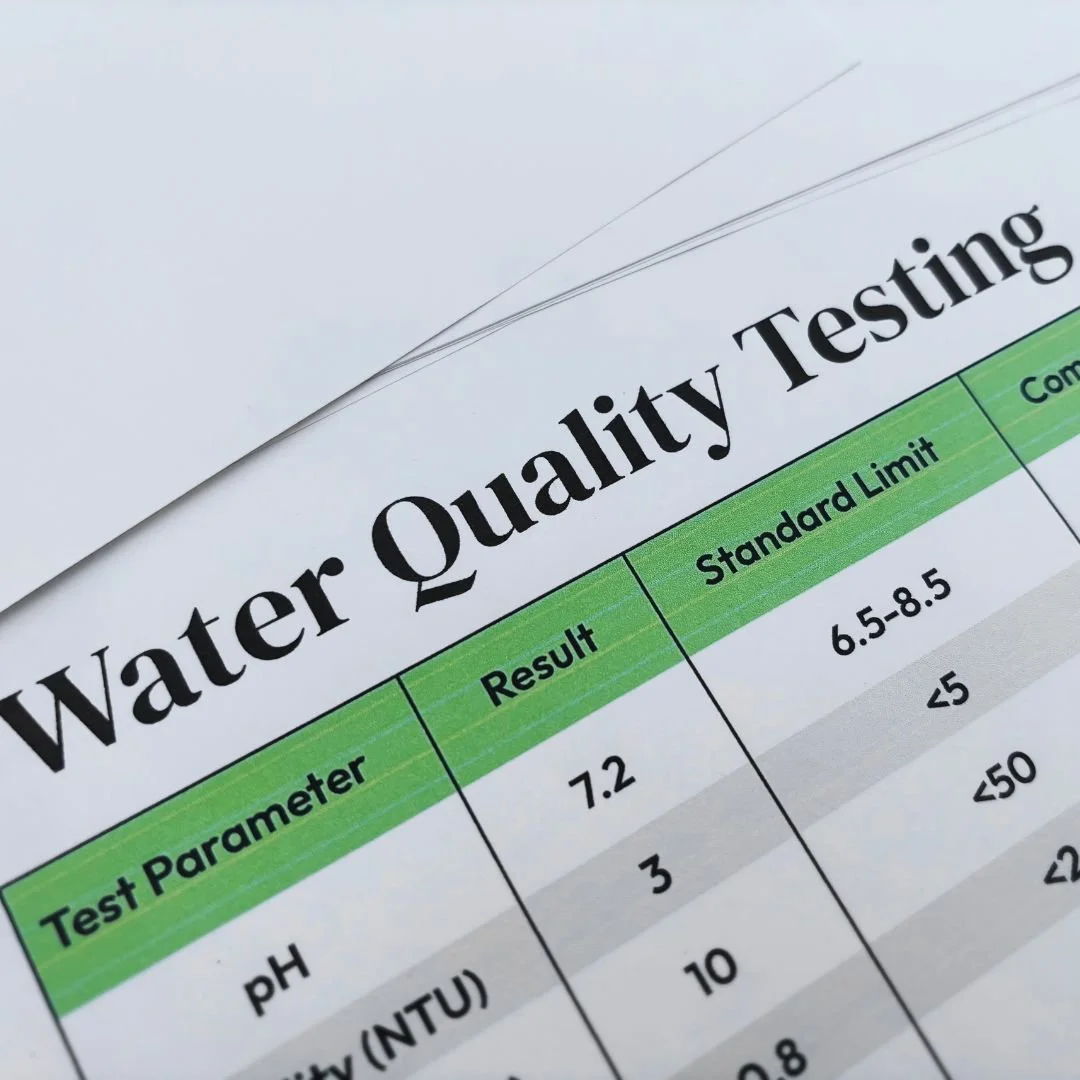
Water sampling and lab analysis for key parameters (bacteria, nitrates, pH, hardness, metals, and sometimes broader panels).
Report with findings, photos, and prioritized recommendations.
Add-ons like down-hole camera inspection or advanced contaminant testing (VOCs, PFAS) increase scope and cost.
What Annual Well Audits Cost in 2026
Costs vary by region, well depth, inspection depth, and testing panel, but national averages provide a solid benchmark:
Basic annual inspection (visual check + pump/pressure evaluation): $250-$400.
Standard audit (inspection + basic water testing for bacteria, nitrates, pH): $300-$600, with most owners paying around $375-$450.
Comprehensive audit (full system check + extended testing for metals, hardness, or emerging contaminants): $500-$800+.
Water testing alone (lab fees without inspection): $100-$500, depending on panel—basic bacteria/nitrates $50-$150, standard household panel $100-$250, comprehensive $250-$500+.
Regional variations apply: rural areas or states with subsidized labs may offer lower testing fees (e.g., $30-$50 for coliform/E. coli in some counties), while travel to remote properties adds $50-$200. Bundling annual maintenance plans from well service companies often reduces per-visit costs to $200-$400 with priority service.
These figures represent a small investment compared to reactive repairs—preventing one pump replacement or contamination event pays for years of audits.
Enhancing Reliability with Smart Solutions
For low-yield wells—common in many rural areas—audits often reveal the need for better demand management. Systems like the Well Harvester from Epp Well Solutions complement audits by automating gentle pumping into 215-gallon atmospheric storage, preventing over-draw and delivering consistent 20 GPM output. Post-audit, many owners install such solutions to address identified yield limitations, ensuring stronger pressure and fewer future issues.
Making Audits a Priority
Schedule your 2026 audit with a certified well professional or through local health departments for guidance on labs and inspectors. Test more frequently if near farms, septic systems, or after events like flooding. Pair audits with simple habits: secure well caps, maintain setbacks, and monitor usage.
An annual well audit isn't just maintenance—it's insurance for your family's health, your home's functionality, and your investment's longevity. In 2026, with water resources under increasing strain, proactive owners who audit regularly enjoy safer water, lower long-term costs, and greater peace of mind.