Drilling vs. Rehabilitation: When to Invest in Your Existing Well
When your well starts showing signs of trouble—reduced flow, frequent pump cycling, sediment in the water, or rising energy bills—the decision between rehabilitating the existing well or drilling a new one can feel overwhelming. Both options aim to restore a reliable water supply, but they differ significantly in cost, risk, timeline, and long-term outcomes. In many cases, investing in rehabilitation makes financial and practical sense, especially for wells that are structurally sound but suffering from clogging, scaling, or minor yield loss. However, severe structural damage, persistent contamination, or drastically declining aquifers often tip the scales toward a new well.
Understanding the differences helps homeowners make informed choices that protect both their budget and their water source.
What Is Well Rehabilitation?
Well rehabilitation involves restoring or improving the performance of an existing well without starting from scratch. Common techniques include:
Chemical or acid treatments to dissolve mineral scale and biofilm
Surging or jetting to remove sediment and debris
Hydrofracturing (high-pressure water to open fractures in bedrock)
Screen cleaning or replacement
Minor deepening in some cases
These methods target issues like incrustation (buildup of minerals or bacteria), sand pumping, or partial blockages that reduce yield over time. Rehabilitation is typically quicker—often completed in a day or two—and far less invasive than drilling.
What Does Drilling a New Well Involve?
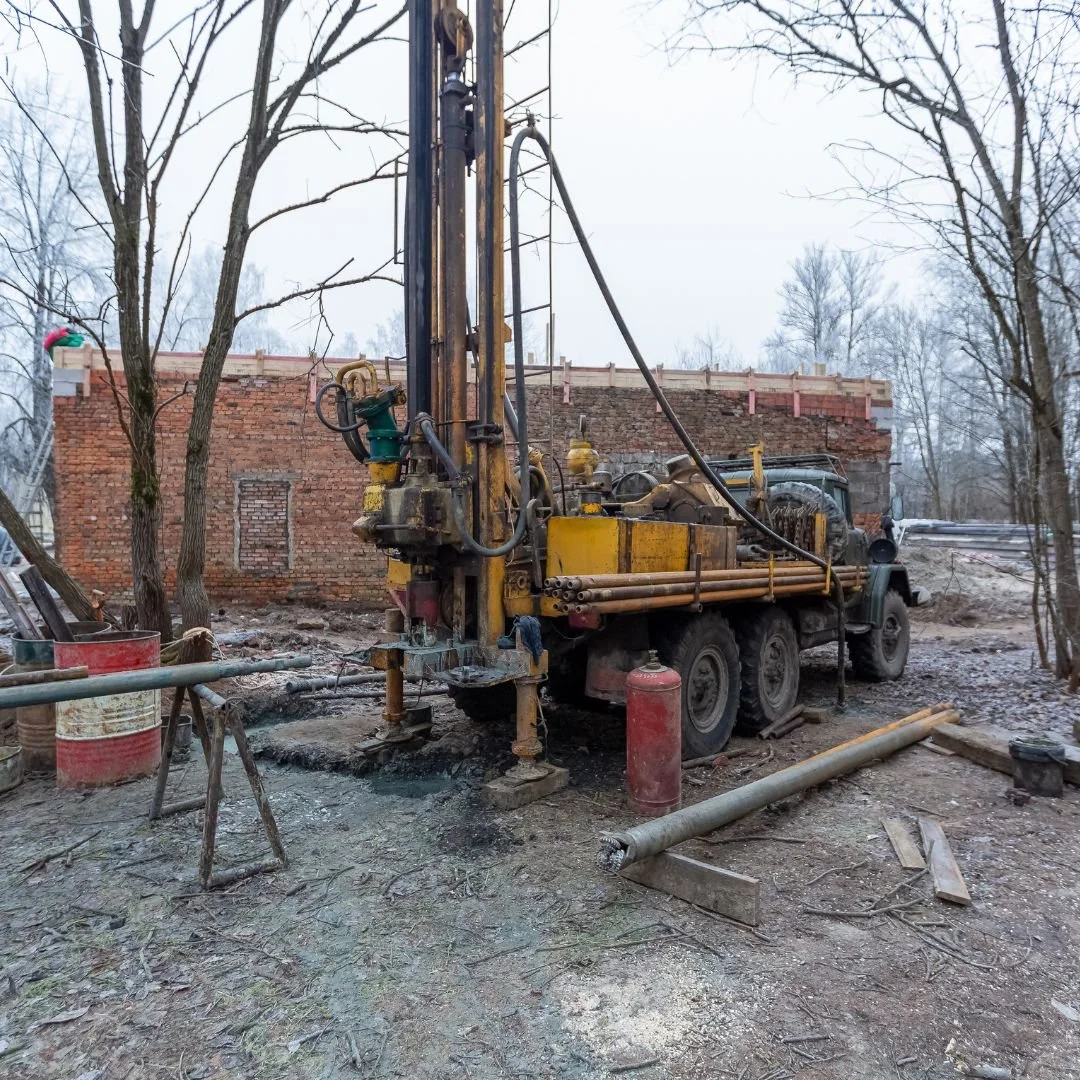
Drilling a new well means abandoning the old one (properly plugging it per local codes) and constructing a fresh borehole to a new depth or location. This includes new casing, screen, pump, and often updated pressure systems. It's a major project requiring permits, site evaluation, and heavy equipment. While it offers a clean slate with modern construction standards, it comes with higher uncertainty—no guarantee the new well will yield better or more sustainable water than the old one.
Cost Comparison in 2026
Costs vary widely by region, depth, geology, and local labor, but current averages provide clear guidance:
Rehabilitation: Typically ranges from $1,000–$8,000. Simple chemical treatments or surging might cost $1,000–$3,000, while hydrofracturing or more extensive work runs $3,000–$8,000. Video inspections (often the first step) add $300–$600.
New Well Drilling: National averages fall between $3,000–$15,000 for a complete residential system, with many homeowners spending $5,500–$9,000. Per-foot drilling costs run $15–$65, so a 200–400 foot well can easily reach $10,000–$25,000 or more when including pump, tank, controls, and permits.
Rehabilitation is almost always the lower upfront investment. However, if problems return quickly, repeated rehab efforts can eventually exceed the cost of a new well.
Signs It's Time to Rehabilitate Your Existing Well
Rehabilitation is often the smartest first step when:
Yield has declined gradually (25% or more drop) but the well still produces usable water
Issues stem from mineral scaling, biofilm, iron bacteria, or sediment buildup
The casing and structure remain intact with no major cracks or collapse
Water quality problems (taste, odor, discoloration) respond to cleaning or minor treatment
The well is relatively young (under 20–30 years) and in a stable aquifer
A professional video inspection or flow test usually confirms whether rehab has a high success rate. Many wells regain significant yield after targeted treatment, extending their usable life by 5–15+ years at a fraction of replacement cost.
When Drilling a New Well Makes More Sense
Opt for a new well when rehabilitation is unlikely to deliver lasting results:
Severe structural damage: Cracked, corroded, or collapsed casing
Persistent contamination that returns after disinfection (e.g., ongoing surface intrusion)
Chronic low yield due to aquifer depletion or poor original placement
Frequent, expensive repairs that keep adding up
The well is very old (30+ years) and shows multiple failing components
In these cases, investing in a properly sited, modern well provides better long-term reliability and peace of mind, even if the initial outlay is higher.
Smarter Alternatives for Low-Yield Wells

Before committing to either major expense, consider whether the core issue is over-pumping rather than a failing well. Many low-yield wells suffer not from geological limits but from aggressive draw that depletes the aquifer faster than it recharges.
The Well Harvester from Epp Well Solutions offers a cost-effective middle path. This patented system automates slow, controlled pumping into a 215-gallon atmospheric storage tank, preventing over-draw while delivering up to 20 GPM on demand. It protects the existing well, reduces pump wear, eliminates short-cycling, and provides consistent household pressure without the need for invasive rehabilitation or expensive new drilling in many cases.
For homeowners facing declining yield, the Well Harvester often restores reliable performance at a lower cost than either traditional rehab or a new well, while extending the life of the current system.
Making the Right Decision
Start with a professional well audit: video inspection, yield test, and water analysis. These diagnostics (usually $300–$600) clarify whether rehabilitation is viable or if a new well is inevitable. Factor in not just upfront costs but long-term factors like expected lifespan, maintenance needs, energy efficiency, and potential resale impact.
In many situations, investing in your existing well through targeted rehabilitation—or smart storage solutions like the Well Harvester—delivers excellent returns. Reserve full drilling for cases where the current well is truly beyond saving.
Your well is a long-term asset. With the right assessment and approach, you can restore reliable water without unnecessary expense.