
How Well Reservoir Tanks Help Low Yield Wells
For homeowners relying on private wells, especially in rural or geologically challenging areas, low water output is a common frustration that disrupts daily life, from showers to laundry to keeping the garden alive. Well reservoir tanks, often called water storage tanks, offer a practical and effective solution to this problem, transforming how low-yield wells serve households.

Why Well Water Storage is Important
For homeowners who rely on private wells, water is more than just a utility—it’s a lifeline that keeps households running, from morning showers to evening dishwashing. But what happens when your well can’t keep up with demand, leaving you with a weak trickle or, worse, no water at all?

Water Holding Tanks - Everything You Should Know
Low-yield wells, seasonal fluctuations, or unexpected dry spells can disrupt daily routines, leaving you with barely enough water for a quick shower or a single load of laundry. This is where water holding tanks come into play, acting as a critical buffer to store and manage your well’s output.

Hydrofracking a Water Well: Pros and Cons
For well owners, maintaining a reliable water supply is critical, but low-yield wells can pose significant challenges, leading to frustrating issues like slow water flow or dry wells. One solution often considered to boost well performance is hydrofracking, a technique designed to increase water yield.

What Are Water Cisterns?
Water cisterns, a time-tested solution, offer a way to store large volumes of water to meet household demands, ensuring you never run out at a critical moment. But what exactly are cisterns, how have they evolved over time, and how do they fit into modern well systems?

Water Pressure Tanks vs Storage Tanks
Two essential components—pressure tanks and storage tanks—play distinct roles in ensuring a dependable water supply. Yet, misunderstanding their functions can lead to inconsistent pressure, pump wear, or costly system failures.

What is Short Cycling on a Water Well Pump?
Water wells are a lifeline for many homeowners, particularly in rural areas where municipal water systems are unavailable. These systems rely on a delicate balance of components to deliver a consistent water supply, with the well pump playing a central role.

What is a Good Water Pressure for A House?
When your shower dribbles or your kitchen faucet barely flows, you might suspect your home’s water pressure is off. For well owners, consistent water pressure is vital for daily comfort and appliance efficiency, yet many confuse pressure problems with flow issues.

How Water Pressure and Flow Relate
When your home’s water trickles out of the faucet or sputters during a shower, it’s easy to assume the problem is low water pressure. However, many homeowners mistake low flow for low pressure, leading to misdiagnosis and ineffective fixes.

What Causes Well Yield to Decline?
When a private well starts delivering less water than expected—think sluggish faucets, erratic pressure, or dry pumps during peak use—it’s a sign that well yield, the sustainable flow rate measured in gallons per minute (GPM), is declining.

First Time Well Owners: What You Should Know
Stepping into homeownership with a private well is an exciting milestone, offering independence from municipal water systems and access to a natural water source. However, it also comes with responsibilities that can feel daunting for first-time well owners.

Should I Drill My Well Deeper?
For homeowners who rely on well water, few things are as frustrating as a well that can’t keep up with daily needs. Whether it’s a sluggish trickle at the faucet, fluctuating water pressure, or the alarming moment when the pump runs dry, these issues often prompt a critical question: Should I drill my well deeper?

Understanding Low Yield Wells: Causes and Solutions
When your home depends on a well system, you count on a consistent water supply for everything from cooking to keeping your lawn lush. But a low yield well can shatter that reliability, delivering a trickle instead of a steady flow, especially when dealing with low well volume.

Maximizing Water Output from Your Well
For homeowners who rely on a well system, a steady and sufficient water supply is essential for everything from morning coffee to evening garden watering. However, low-yield wells often struggle to keep up, especially when dealing with low well volume, leaving families frustrated with weak pressure or outright shortages.
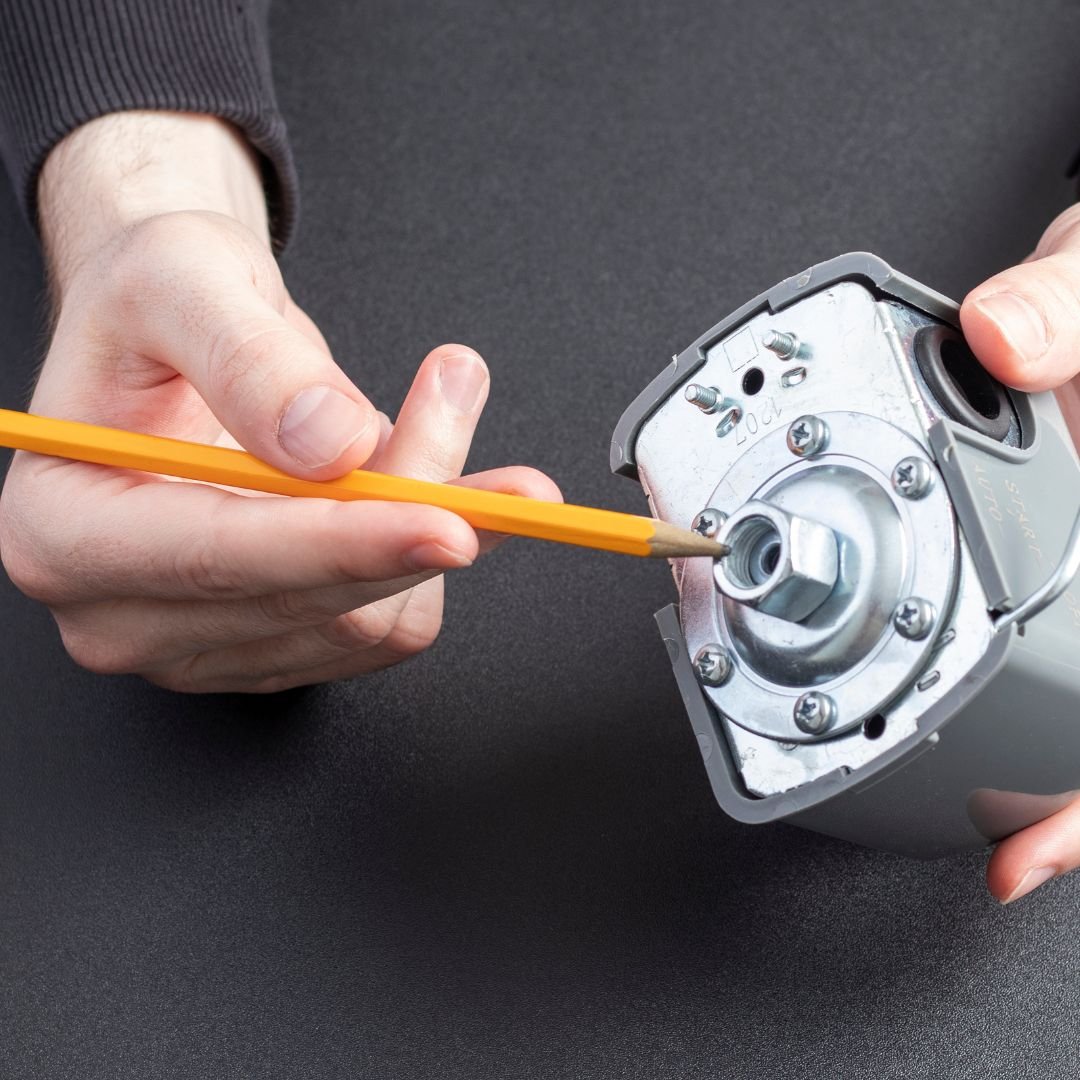
How Automatic Water Draw Adjustment Works in Well Systems
A well system is the heartbeat of a home for those who rely on it, delivering water for everything from drinking to gardening. But when groundwater levels shift—due to drought, seasonal changes, or low well volume…

The Importance of Preventing Overpumping in Well Systems
The steady flow of water from a well system is a lifeline for homeowners, supporting everything from morning showers to garden irrigation. But when that flow weakens or stops due to overpumping, the consequences can ripple through daily life, threatening both your water supply and the health of your well.
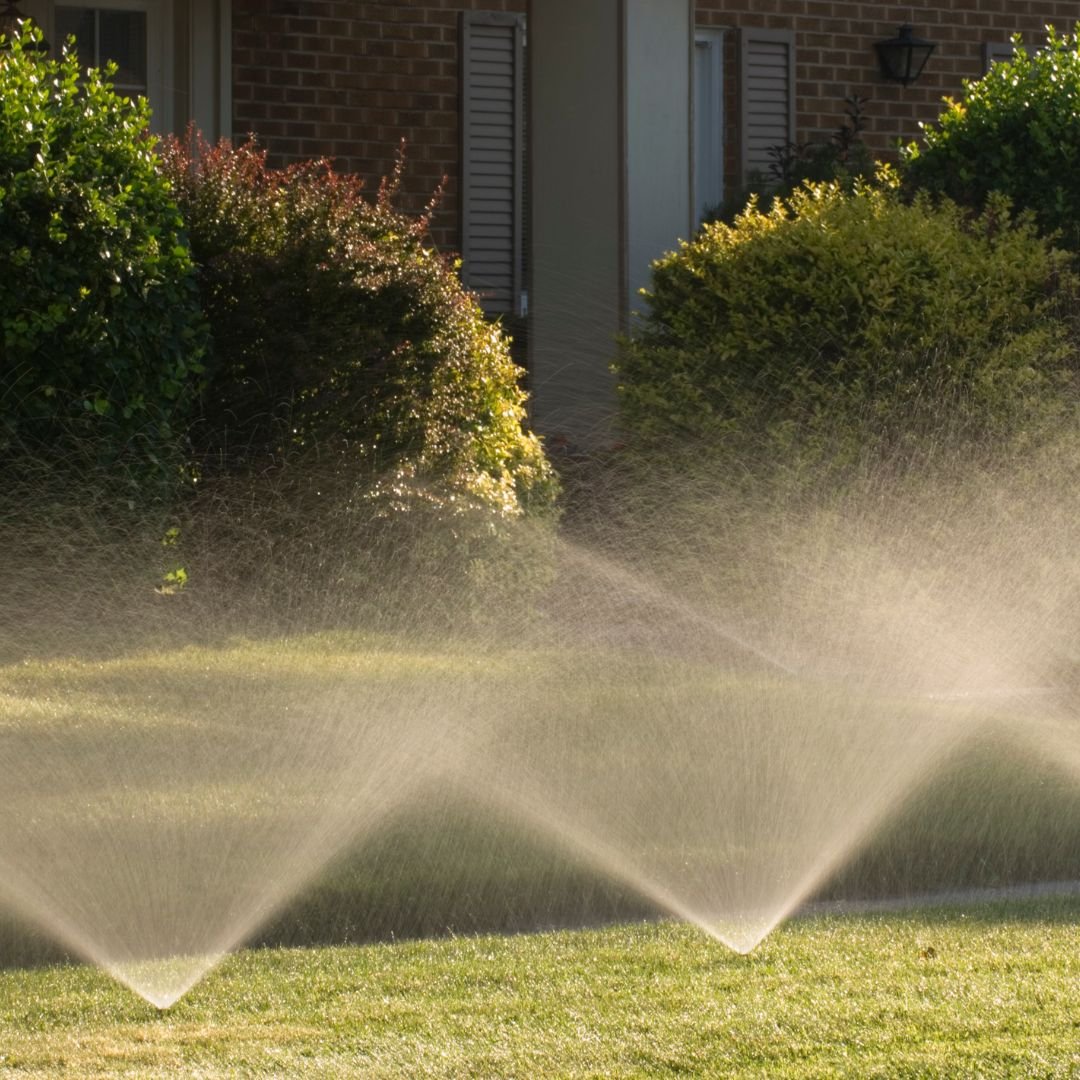
The Advantages of High Water Pressure in Your Home
Nothing transforms the daily experience of living in a home quite like the steady, powerful flow of water from your faucets and showerheads. For homeowners relying on a well system, achieving high water pressure can feel like a game-changer, elevating everything from morning routines to household chores.

Why Your Well Runs Dry: Common Causes and How to Fix Them
Picture the moment you turn on your faucet, expecting a steady stream, only to be met with a gurgle and then nothing. For homeowners who rely on a well system, a dry well is a jarring disruption, halting everything from cooking and bathing to irrigating gardens or caring for animals.

Water Conservation Tips for Well Owners in Drought-Prone Areas
Living in a drought-prone area presents unique challenges for homeowners who rely on a well system for their water supply. With water scarcity becoming a pressing issue in regions where rainfall is unreliable, conserving water is both an environmental responsibility and a practical necessity.

Why Water Pressure Matters for Your Home (and How to Improve It)
For homeowners relying on a private well, these frustrating moments of low water pressure are all too common, disrupting daily routines and turning simple tasks into chores. Water pressure is more than just a convenience—it’s the force that keeps your household running smoothly, from bathing to cooking to gardening.