Does a Water Storage System Increase Property Value?
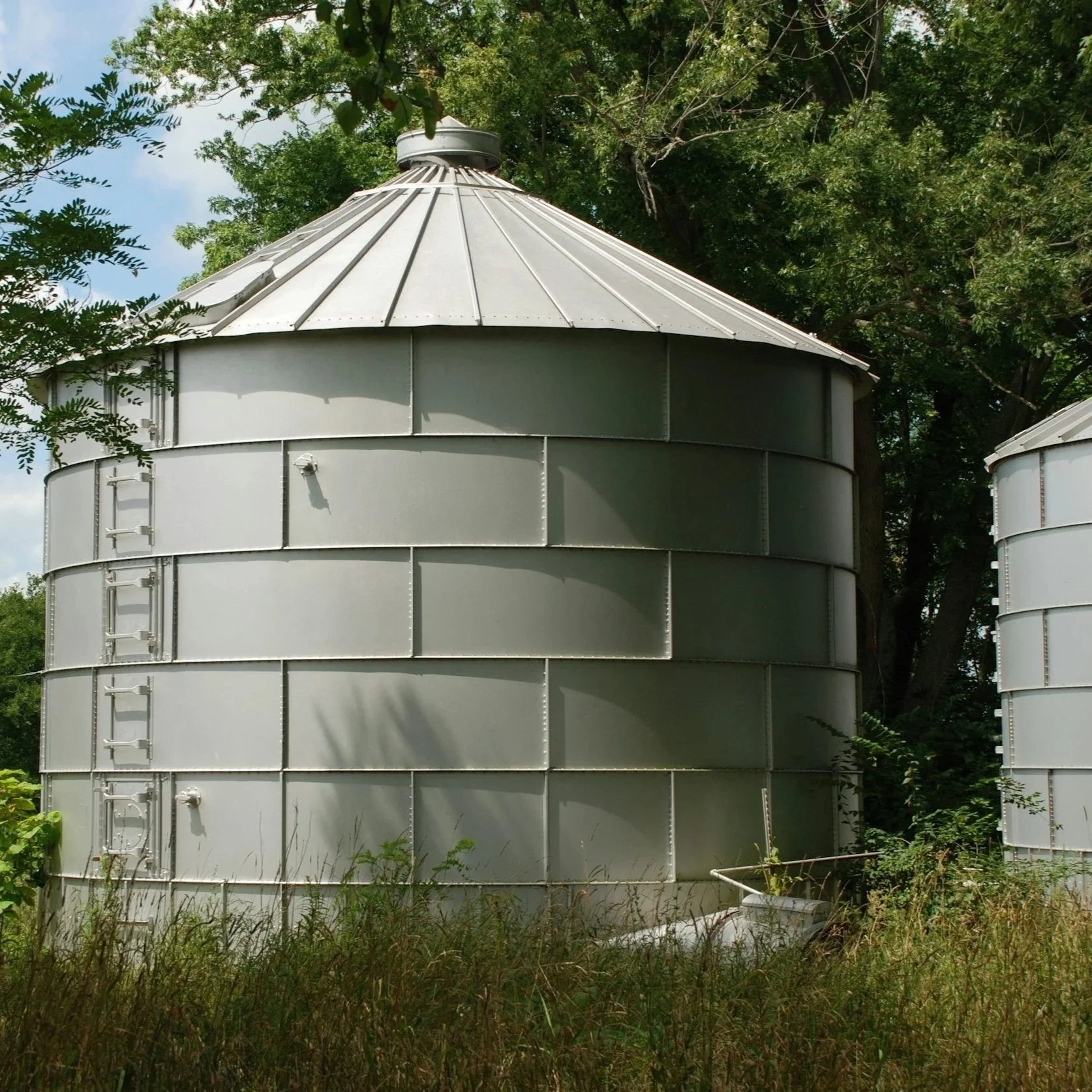
In today's real estate market, where buyers increasingly seek homes that offer sustainability, reliability, and reduced long-term costs, features beyond traditional upgrades are gaining prominence. For properties relying on private wells—common in rural and suburban areas—a well-designed water storage system can serve as a significant value enhancer. The core question is clear: Does a water storage system increase property value? The answer is yes, often substantially, as it addresses key buyer concerns like water reliability, health, and future-proofing against resource challenges.
This article explores the various ways these systems contribute to higher appraisals and resale prices, supported by real-world trends and specific innovations.
Understanding Water Storage Systems for Private Wells
A water storage system for homes on private wells typically includes a reservoir that collects water from the well during periods of recovery, then supplies it on demand to maintain consistent pressure and flow. This prevents over-pumping, which can damage the well, introduce contaminants, or cause dry spells during high usage.
Unlike basic setups, advanced systems automate the process, monitor aquifer recovery, and integrate features like pressure regulation. Such systems transform unreliable low-yield wells into dependable sources, making the property more attractive to buyers who value self-sufficiency.
Boosting Reliability and Appeal in the Real Estate Market
One of the strongest drivers of added value is enhanced water reliability. Homes with inconsistent well performance often deter buyers due to risks of shortages, low pressure, or emergency water hauling. A storage system buffers supply, ensuring steady access for everyday needs and emergencies.
Real estate insights indicate that properties with reliable water features sell faster and at premiums. In areas with variable groundwater or drought risks, this reliability becomes a major selling point. Buyers view it as a hedge against future uncertainties, much like energy-efficient upgrades.
Enhancing Health, Safety, and Sustainability
Water quality and safety also play into valuation. Private wells can face issues like bacterial contamination or sediment if over-drawn. Storage allows for settling and optional filtration, promoting cleaner water.
Sustainability adds further appeal. By reducing pump cycling and energy use, these systems often lower utility bills and environmental impact—priorities for eco-conscious buyers. In a market where green features command premiums, a well-integrated storage solution positions the home as forward-thinking.
The Cost Savings Perspective
Installation involves upfront costs, but long-term savings are compelling: fewer pump repairs, extended well life, and lower energy bills. Appraisers factor in reduced operating expenses, often leading to higher valuations. Some buyers even see it as insurance against rising water-related costs.
The Well Harvester: A Premium Solution

For low-producing wells, the Well Harvester® from Epp Well Solutions stands out as an advanced, patented system that automates water harvesting and storage. It intelligently pumps only when the well recovers, storing water in a pressurized vessel for consistent delivery without risking over-pump damage.
This system offers reliable pressure and protection against common issues like well over pumping. Homeowners report improved daily usability and extended well longevity—factors that directly boost property appeal and value.
Regional Considerations and Market Trends
The value added varies by location. In water-stressed regions like parts of the West or Midwest, storage systems can yield higher premiums—sometimes 5-15%—by mitigating scarcity risks. Even in water-abundant areas, protection against contamination or outages adds appeal.
Broader trends show homes with independent utilities appreciating faster amid climate variability. As water management becomes a key concern, equipped properties stand out.
Potential Drawbacks and Best Practices
No upgrade is without considerations. Costs vary, and poor installation could lead to issues. Space and maintenance are factors, though quality systems minimize these.
To maximize value, choose professional, compatible solutions. Advanced options like the Well Harvester often provide the best return through superior performance and buyer appeal.
A Smart Investment for Long-Term Value
Ultimately, a water storage system does increase property value by delivering reliability, health benefits, sustainability, and cost efficiencies. It turns potential weaknesses into strengths, appealing to buyers who prioritize resilient homes.
With innovations like the Well Harvester leading the way, homeowners can future-proof their properties while enhancing equity. If your home relies on a private well, exploring a storage upgrade could be one of the most impactful investments you make. Contact experts for a personalized assessment to see how it fits your situation. In an evolving market, water security isn't just convenient—it's valuable.