Atmospheric vs. Bladder Storage Tanks: Which is Best for Low Yields?
Private well owners with low-yield wells—those producing less than 3-5 gallons per minute (GPM) sustainably—often face frustrating limitations: weak pressure during showers, running dry mid-use, frequent pump cycling, or insufficient water for daily needs. To address these challenges, many turn to storage solutions that buffer supply and protect the well. Two primary options emerge: traditional bladder pressure tanks and atmospheric storage tanks. While both help manage water, they operate on fundamentally different principles, making one far superior for truly low-production wells.
Bladder pressure tanks (also called captive-air or diaphragm tanks in similar forms) are the standard in most residential well systems. These tanks feature a flexible rubber bladder inside a steel shell that separates compressed air from water. As the pump fills the tank, water compresses the air bladder; when you open a faucet, the expanding air pushes water out to maintain pressure without immediately restarting the pump. This reduces short-cycling, extends pump life, and provides steady pressure for moderate demands.
Bladder tanks excel in wells with decent yield (typically 5+ GPM) because they deliver efficient drawdown—often 20-30% of tank volume usable between cycles (e.g., 20-30 gallons from an 82-gallon tank at 30/50 psi settings). They require minimal maintenance beyond occasional air pre-charge checks and last 10-15 years or more if the bladder stays intact. However, their small effective storage capacity limits them when yield drops low. In a 1 GPM well, the tank depletes quickly during peak use, forcing rapid pump restarts and risking dry running if demand outpaces recharge.
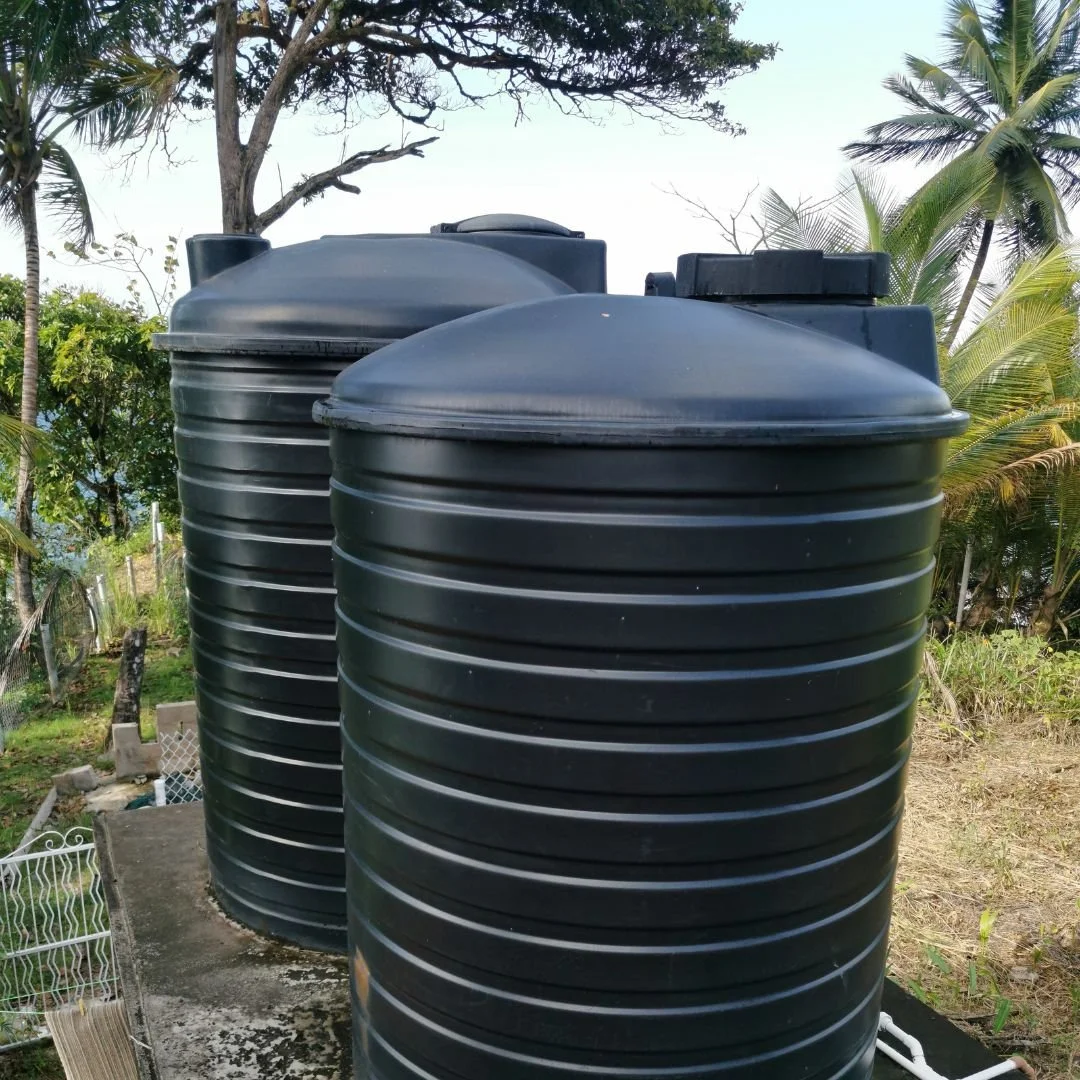
Atmospheric storage tanks, by contrast, hold water in an open or vented environment at normal atmospheric pressure, without compressed air. Water sits freely in a large tank (often hundreds of gallons), and a separate booster or transfer pump draws from it to supply the home at consistent high pressure. The well pump fills the tank slowly and intermittently, matching the aquifer's recovery rate rather than fighting it.
This design shines for low-yield wells. Atmospheric tanks provide true volume storage—hundreds or thousands of gallons available—allowing the system to meet high-demand periods (showers, laundry, irrigation) from reserves while the well refills gradually. No short-cycling occurs because the well pump runs only when tank levels drop, not in response to every faucet opening. Over-pumping risks drop dramatically since draw rates stay gentle and controlled.
Key Differences in Performance for Low-Yield Wells
Bladder pressure tanks prioritize pressure regulation and pump protection through compressed air, but their limited usable volume (typically 10-40 gallons depending on size) can't compensate for very slow recharge. Low-yield scenarios lead to frequent cycling, pressure fluctuations, and potential pump burnout or aquifer damage from aggressive draw.
Atmospheric tanks shift the focus to volume storage and demand buffering. They eliminate pressure-related cycling issues by decoupling the well pump from household use. A booster pump handles delivery, providing strong, consistent pressure (often 50-70 psi) regardless of well conditions. Maintenance differs: atmospheric tanks may need occasional sediment checks and cleaning, but avoid bladder failures or air charge adjustments. Larger capacities make them ideal for extended dry spells or high-usage households.
Drawbacks and Practical Considerations
Bladder tanks are compact, easier to install in tight spaces, and integrate seamlessly with standard well setups—no extra pumps needed. They're cost-effective upfront for average wells but fall short when yield consistently underperforms.
Atmospheric systems require more space (for the tank) and often include a booster pump, increasing initial cost and complexity. However, they offer greater long-term reliability in challenging low-yield situations, reducing emergency repairs and water shortages.
For wells yielding under 2-3 GPM, atmospheric storage typically provides the best results by preventing the root problems of over-pumping and inadequate supply.
The Well Harvester: Optimized Atmospheric Storage for Low Yields

Epp Well Solutions' Well Harvester® exemplifies the advantages of atmospheric storage tailored specifically for low-producing wells. This patented system uses a 215-gallon atmospheric tank combined with smart automation to harvest maximum water without over-drawing the well.
The Well Harvester pumps slowly and intermittently—drawing only what's sustainably available—into the atmospheric tank, preventing depletion and extending well life. A touchscreen controller monitors water levels, usage patterns, and adjusts operation automatically for efficiency. When demand arises, it delivers up to 20 GPM at strong pressure from stored reserves, far surpassing what the well could provide directly.
Unlike basic bladder tanks that struggle with peaks, or generic atmospheric setups that lack intelligence, the Well Harvester prevents short-cycling, air ingestion, and pump strain while providing reliable household supply. Installation usually takes one day, and it includes a 3-year warranty for peace of mind.
Many owners upgrade to the Well Harvester after bladder tanks fail to solve persistent low-pressure or dry-well issues, finding it delivers the consistent flow and volume that low-yield wells inherently lack.
Which Should You Choose?
Choose a bladder pressure tank if your well yields 5+ GPM consistently, you want simple integration, and your needs are moderate (standard household use without heavy simultaneous demands).
Opt for atmospheric storage (ideally a smart system like the Well Harvester) if your well produces 1-3 GPM or less, you experience frequent shortages or pressure drops, or you want future-proof reliability against dropping water tables.
Low-yield wells don't have to mean constant compromise. By selecting the right storage approach—prioritizing true volume over compressed-air pressure regulation—you gain dependable water access, protected equipment, and reduced stress. For most severely limited wells, atmospheric solutions outperform bladder tanks by addressing the core limitation: slow recharge versus high demand.